

Faith-based activities for kids offer a wonderful way to nurture spirituality while engaging children in creative and meaningful experiences. These activities help young minds connect with their beliefs, develop moral values, and enjoy quality time with family or community members. By combining fun and faith, parents and educators can create lasting impressions that support both emotional growth and spiritual understanding.
Affiliate disclosure: Some links in this article are affiliate links. If you make a purchase through an affiliate link, I may earn a commission at no additional cost to you. As an Amazon Associate I earn from qualifying purchases.
Creating Interactive Bible Story Sessions
One of the most effective faith-based activities for kids involves bringing Bible stories to life through interactive sessions. Instead of merely reading from a book, these sessions encourage participation, sensory engagement, and creativity.

- Story Acting: Children take on roles from a Bible story, acting out scenes to deepen comprehension and empathy for the characters.
- Story Crafting: Using simple arts and crafts, kids create visual representations of key story elements, such as Noah’s Ark with paper animals or David’s sling with yarn and sticks.
- Story Discussion: Guided questions help kids reflect on the story’s lessons and relate them to their own lives, reinforcing moral teachings.
This method not only makes scripture accessible but also helps children internalize values in an enjoyable, memorable way.
👉 Noah’s Ark Building Blocks Set
Incorporating Music and Movement
Music is a powerful tool for teaching faith concepts to children. Songs with meaningful lyrics paired with movement can enhance memory retention and create positive emotional connections.

- Faith Songs with Actions: Popular children’s hymns or contemporary faith-based songs with simple actions encourage kids to sing and move, making learning dynamic.
- Instrument Exploration: Introducing basic instruments, such as tambourines or maracas, allows children to actively participate in worship or faith-themed gatherings.
- Rhythm and Story: Creating rhythms or dance routines that tell a biblical story adds a kinetic dimension to learning, catering to different learning styles.
These activities foster joy and community spirit while embedding faith teachings through a multisensory approach.
👉 Musical Instruments for Kids
Craft Projects with Spiritual Themes
Crafting provides hands-on learning opportunities that can convey faith concepts clearly and creatively.
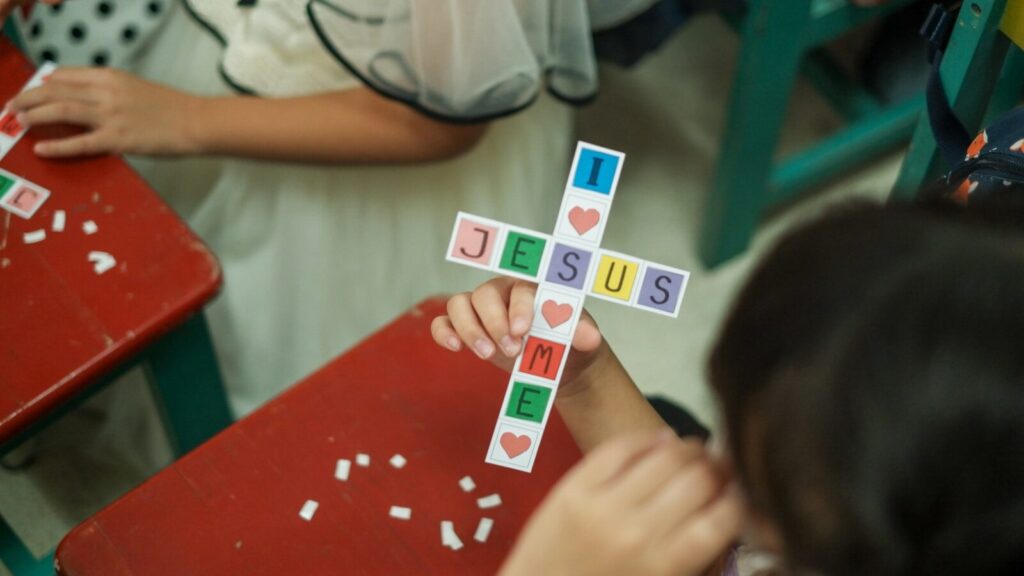
- Prayer Jars: Kids decorate jars and fill them with handwritten prayers or blessings, encouraging daily reflection and gratitude.
- Fruit of the Spirit Trees: Using paper leaves or fruit shapes, children label qualities like kindness, patience, and love, then attach them to a crafted tree to visualize spiritual growth.
- Scripture Art: Simple calligraphy or coloring pages featuring favorite verses allow children to personalize scripture, encouraging memorization and appreciation.
Such projects give tangible form to abstract spiritual ideas, making faith more relatable and personal.
👉 Jesus Fish Tissue Paper Kits
Nature-Based Faith Experiences
Connecting with nature can deepen a child’s appreciation for creation and the Creator, making outdoor activities an excellent medium for faith exploration.

- Creation Walks: Guided nature walks with reflection prompts about God’s creation encourage observation and gratitude.
- Garden Projects: Planting seeds and caring for plants teaches stewardship and patience, linking biblical parables about growth and nurture.
- Outdoor Praise: Holding simple worship or prayer sessions outdoors can inspire awe and mindfulness, reinforcing spiritual lessons.
These activities blend physical activity with spiritual reflection, helping children experience faith beyond the walls of a classroom or home.
Serving Others Through Simple Acts of Kindness

Faith-based activities that involve service teach children the importance of compassion and generosity, core principles in many religious teachings.
- Care Package Creations: Kids assemble packages with essentials or treats for people in need, learning about empathy and giving.
- Community Clean-Ups: Participating in local clean-up days instills a sense of responsibility for the environment and neighbors.
- Helping Hands Chart: A visual chart tracking daily helpful deeds motivates kids to practice kindness regularly.
Service projects translate faith into action, fostering a lifelong habit of caring for others.
Using Technology to Support Faith Learning
Incorporating technology thoughtfully can enhance faith-based activities, providing interactive and accessible resources.
- Faith-Based Apps: Many apps offer Bible stories, quizzes, and games tailored to children, making scripture study engaging and age-appropriate.
- Virtual Prayer Circles: Online gatherings allow kids to connect with peers for prayer and fellowship, especially useful when in-person meetings are limited.
- Digital Storytelling: Children can create video or audio retellings of stories, combining creativity with spiritual education.
When balanced with offline activities, technology can enrich faith learning and keep children connected to their community.
Encouraging Family Devotions and Rituals
Regular family practices centered around faith create a supportive environment for children to grow spiritually.

- Bedtime Prayers: Establishing a calming prayer routine before sleep offers comfort and reflection.
- Faith Meal Blessings: Saying blessings together at mealtime reinforces gratitude and mindfulness.
- Holiday Traditions: Celebrating religious holidays with rituals and stories helps children understand and appreciate their faith’s heritage.
These consistent, shared experiences build a strong foundation for faith development within the family unit.
👉 Bedtime Prayers for Little Ones
Faith-based activities for kids that blend fun and meaning provide children with opportunities to explore spirituality in ways that resonate with their natural curiosity and creativity. By integrating storytelling, music, crafts, nature, service, technology, and family rituals, caregivers can cultivate an enriching environment where faith flourishes alongside joyful learning. Encouraging these practices ensures that children not only understand their beliefs intellectually but also live them out in practical, heartfelt ways.