
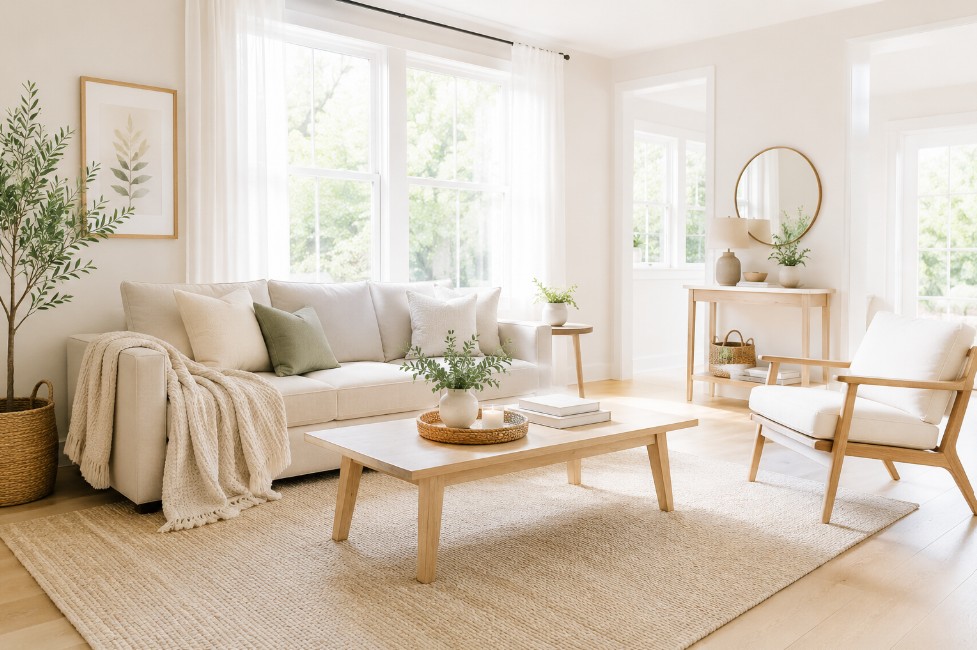
Creating a home environment that radiates peace and calm is essential for well-being in today’s fast-paced world. Home decor ideas that feel peaceful not only enhance the aesthetic appeal of a living space but also promote relaxation and mental clarity. By thoughtfully selecting colors, textures, furniture placement, and decorative elements, a home can transform into a sanctuary that nurtures tranquility. This article explores practical, yet simple decorating ideas that foster a sense of peace, helping homeowners cultivate serene atmospheres throughout their living spaces.
Affiliate disclosure: Some links in this article are affiliate links. If you make a purchase through an affiliate link, I may earn a commission at no additional cost to you. As an Amazon Associate I earn from qualifying purchases.
Embrace Soothing Color Palettes
Color plays a pivotal role in setting the emotional tone of a room. To create a peaceful ambiance, soft, muted colors are widely recommended because they tend to calm the mind and reduce visual noise. Popular choices include:
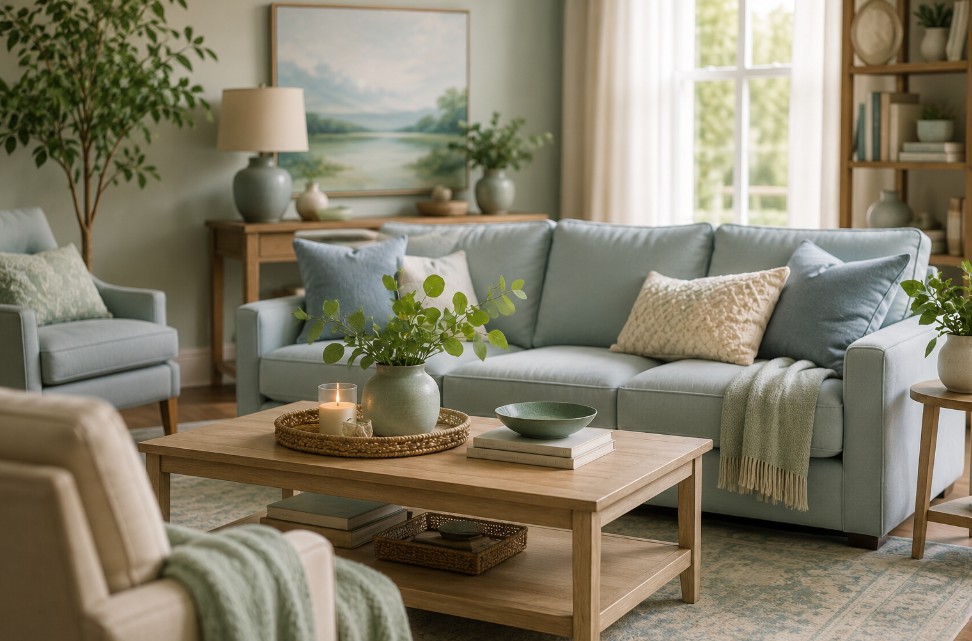
- Soft Blues and Greens: These colors evoke nature and are known for their calming properties. They can be used on walls, upholstery, or accent pieces to bring a restful quality to a room.
- Warm Neutrals: Shades like beige, taupe, and soft gray provide a serene foundation that pairs well with almost any decor style, creating a cozy yet uncluttered feel.
- Pastel Tones: Light lavender, blush pink, or pale peach add a subtle softness without overwhelming the senses.
Choosing a harmonious color palette that flows from room to room also enhances the sense of unity and peace throughout the home.
Prioritize Natural Light and Airflow
Natural light and fresh air significantly contribute to a peaceful home environment. Well-lit spaces feel more open and inviting, while good ventilation helps keep the atmosphere fresh and invigorating.
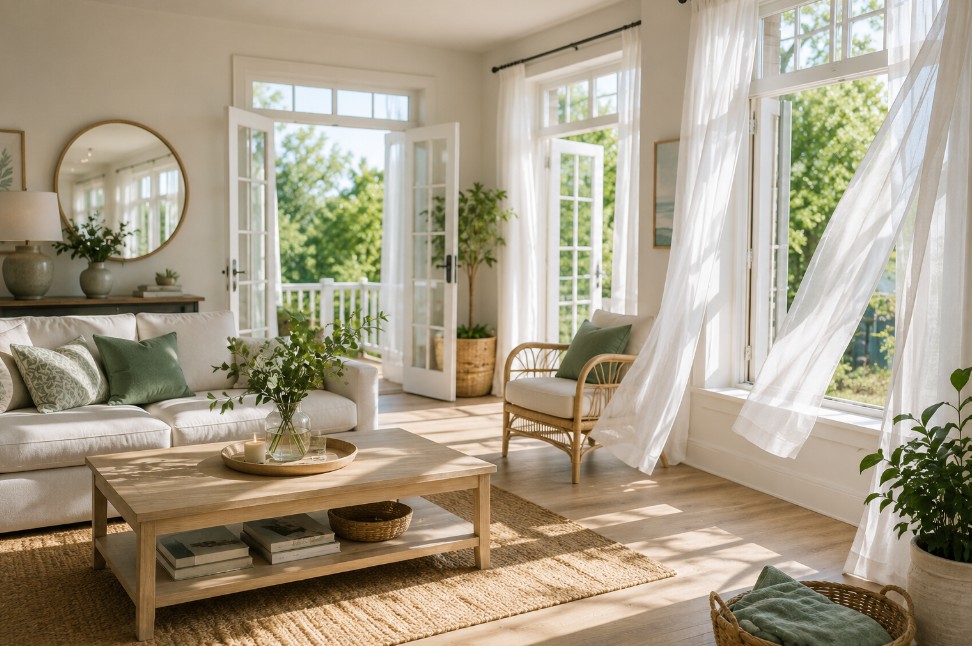
- Maximize Window Exposure: Avoid heavy drapes or dark curtains that block sunlight. Instead, opt for sheer fabrics or blinds that can be adjusted to allow ample daylight to fill the space.
- Use Mirrors Strategically: Mirrors can reflect natural light deeper into a room, making smaller spaces feel larger and brighter.
- Encourage Cross-Ventilation: Arrange furniture and open windows to facilitate airflow, which can reduce stuffiness and create a rejuvenating atmosphere.
Prioritizing daylight and fresh air supports both visual and physical comfort, key components of a peaceful home.
Choose Comfortable, Minimalist Furniture
Furniture selection heavily influences the overall mood of a room. Peaceful spaces often feature pieces that are comfortable, functional, and visually uncluttered.
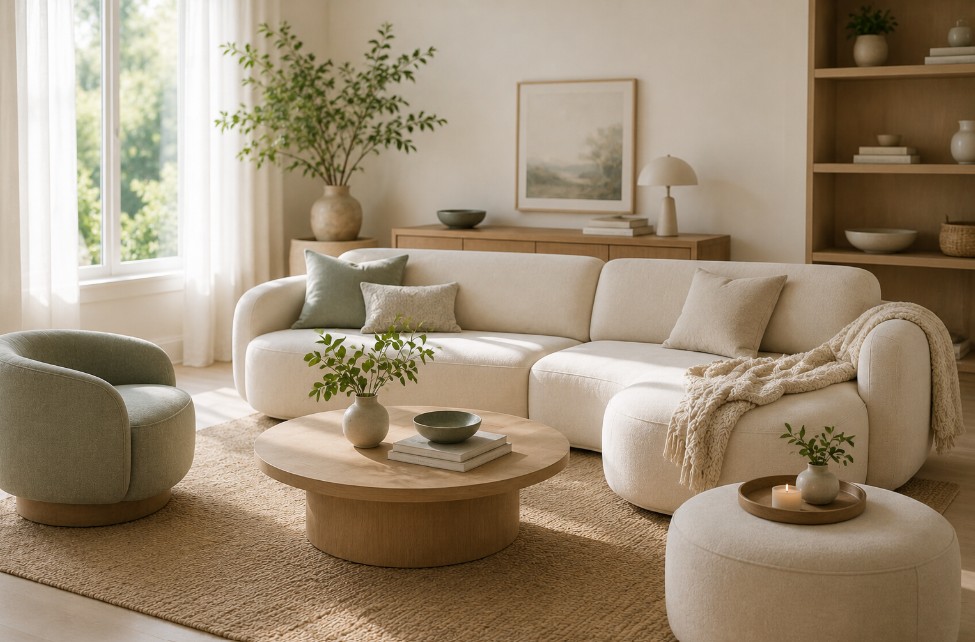
- Opt for Soft, Rounded Shapes: Rounded edges on sofas, chairs, and tables feel more inviting and less harsh compared to sharp, angular designs.
- Select Quality Over Quantity: Fewer, well-chosen pieces of furniture reduce visual clutter and create a sense of order.
- Incorporate Multi-Functional Pieces: Items like storage ottomans or nesting tables help keep the space tidy without sacrificing comfort.
A minimalist approach to furnishing encourages relaxation by reducing distractions and promoting ease of movement.
Integrate Natural Elements
Bringing nature indoors is a common strategy for cultivating peace. Natural elements provide sensory comfort and connect occupants with the outdoors.
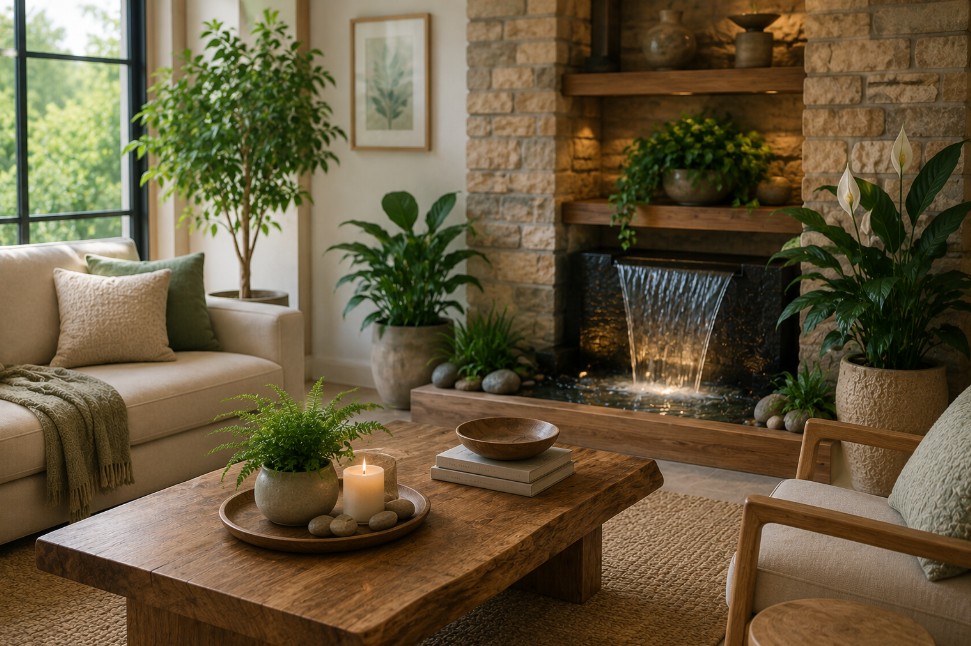
~ Shop Tabletop Water Fountain on Amazon
- Use Wood and Stone Finishes: Furniture or accent walls crafted from natural materials add warmth and texture.
- Introduce Plants and Flowers: While not overly abundant, a few well-placed plants can improve air quality and add a touch of life to any room.
- Incorporate Water Features: Small indoor fountains or aquariums provide soothing sounds that help create a calming atmosphere.
These natural touches create a subtle sensory balance that supports tranquility without overwhelming the decor.
Utilize Soft Textures and Layered Fabrics
The tactile experience of a space strongly influences its peacefulness. Soft textures invite relaxation and comfort.
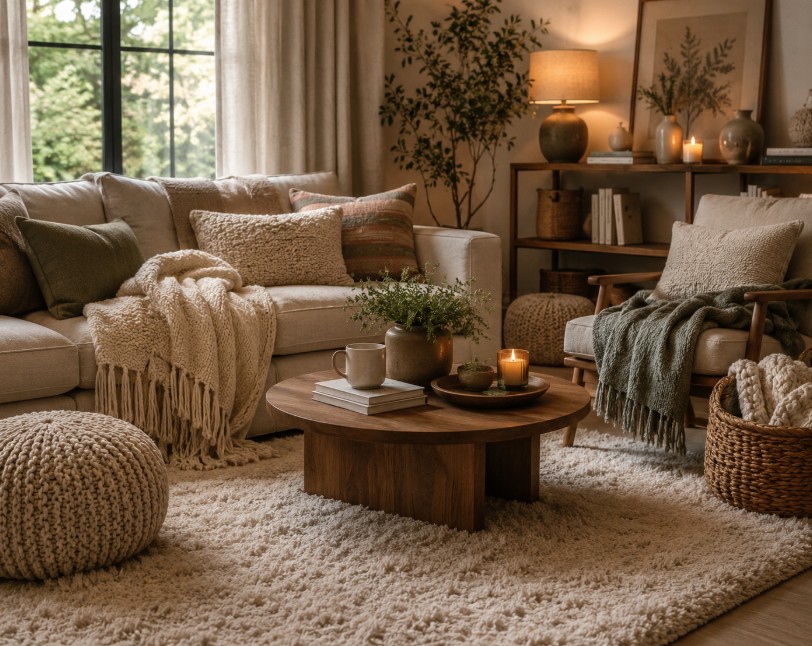
~ See Plush Throw Rug on Amazon
- Add Plush Rugs and Throws: These elements soften hard floors and provide warmth underfoot, making spaces feel cozy.
- Choose Natural Fabrics: Cotton, linen, and wool are breathable and gentle on the skin, enhancing comfort.
- Layer Textiles Thoughtfully: Combining cushions, blankets, and curtains in complementary textures adds depth and invites lingering.
By integrating these tactile features, rooms become more inviting and conducive to rest.
Maintain Decluttered, Organized Spaces
Clutter can create stress and disrupt a peaceful environment. Maintaining an organized home is essential for sustaining calm.
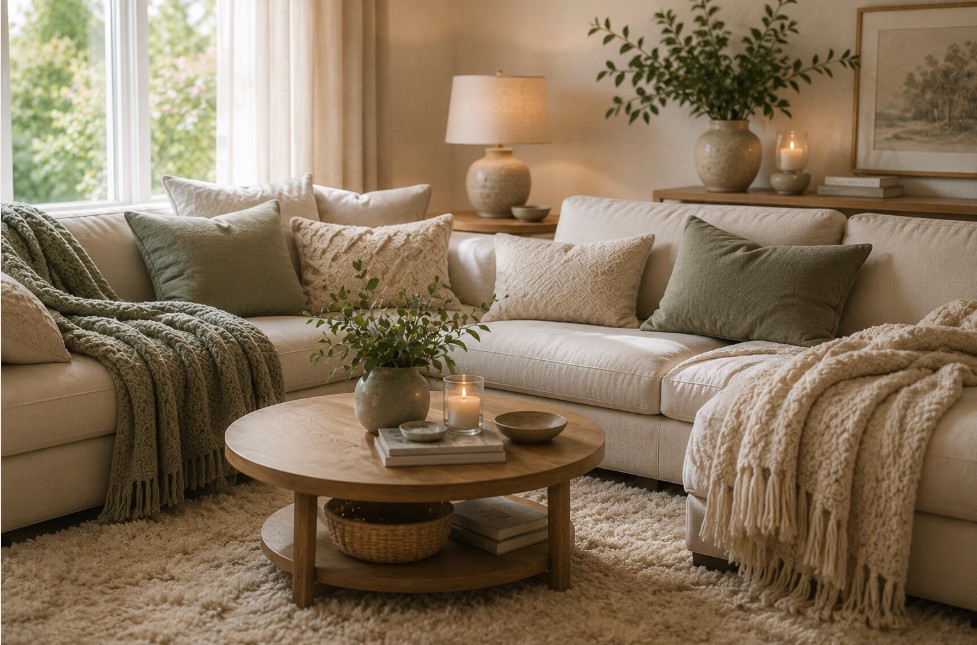
- Incorporate Ample Storage: Closed cabinets and baskets keep belongings out of sight while maintaining accessibility.
- Practice Regular Tidying: Establish daily or weekly routines to clear surfaces and prevent the accumulation of unnecessary items.
- Create Designated Zones: Clearly defined areas for work, relaxation, and socializing reduce chaos and promote mental clarity.
A decluttered space supports a peaceful mindset by reducing visual distractions and encouraging intentional living.
Use Soft, Ambient Lighting
Lighting influences mood more than is often appreciated. Peaceful homes use gentle, layered lighting rather than harsh, direct sources.
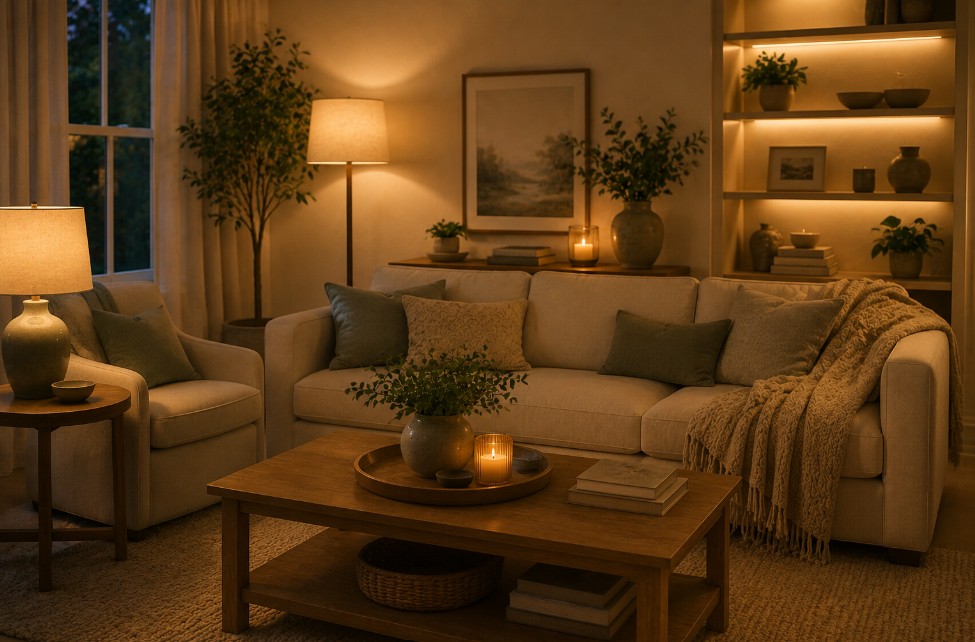
- Choose Warm Bulbs: Lights with a warm color temperature create a cozy, inviting atmosphere.
- Incorporate Multiple Light Sources: Combining floor lamps, table lamps, and sconces allows for adjustable ambiance.
- Use Dimmer Switches: Dimming capability helps tailor lighting levels to different times of day and activities.
Soft lighting soothes the eyes and helps the body transition naturally from activity to rest.
Personalize with Meaningful Decor
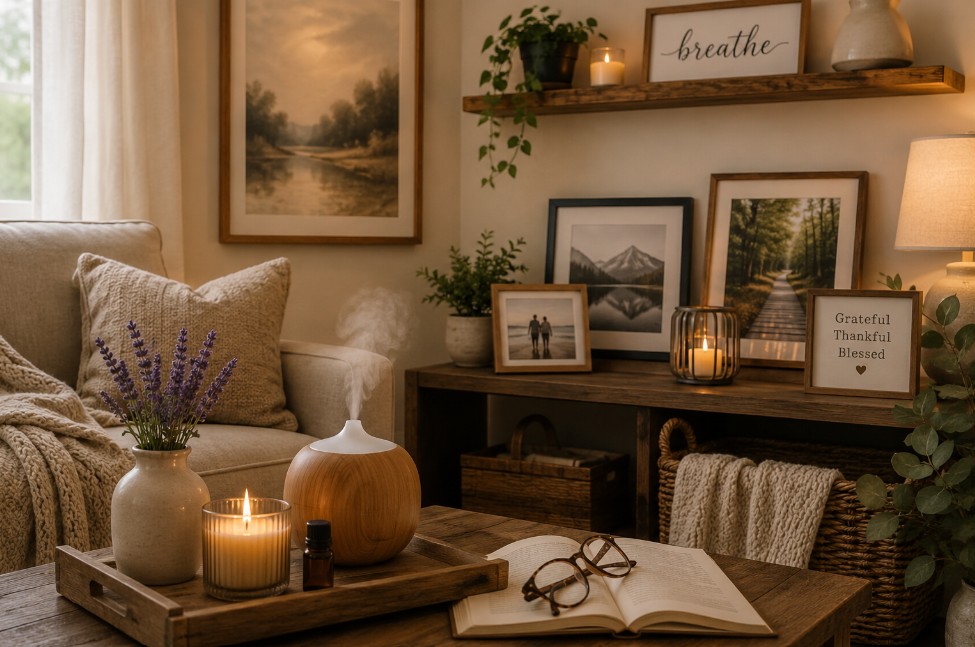
Incorporating personal touches that evoke positive emotions enhances the feeling of peace.
~ See Digital Picture Frames on Amazon
- Display Art and Photos Wisely: Select pieces that bring joy or calm, and avoid overcrowding walls.
- Use Scent Wisely: Subtle scents from candles or diffusers, such as lavender or sandalwood, can promote relaxation without being overwhelming.
- Limit Noise Pollution: Introduce soft background music or white noise to mask disruptive sounds.
Personalized decor creates a space that feels uniquely comforting and fosters emotional well-being.
Final Thoughts
Creating a home environment that feels peaceful involves thoughtful choices that blend aesthetics with comfort and functionality. By embracing soothing color palettes, maximizing natural light, selecting minimalist furniture, integrating natural elements, and maintaining organized spaces, homeowners can foster tranquility throughout their living areas. Soft textures, ambient lighting, and personalized touches further deepen the sense of calm, making the home a true sanctuary.
The benefits of a peaceful home extend beyond visual appeal — such spaces support mental clarity, reduce stress, and encourage restful living. Taking deliberate steps to implement these decor ideas can transform any home into a refuge from daily pressures. With attention to detail and a focus on simplicity, anyone can create an environment that feels nurturing and serene, enhancing overall quality of life.