

If you’re wondering what to read first in the Bible, you’re not alone. Opening its pages for the first time can feel overwhelming. There are long books, unfamiliar names, different kinds of writing, and stories that seem to begin in the middle of something much bigger.
The good news is that you don’t have to understand everything at once. You don’t need a perfect plan, a color-coded notebook, or hours of uninterrupted quiet to begin. Scripture invites you to come as you are—with your questions, curiosity, tiredness, and hope.
A grace-filled place to start is the Gospel of John. It introduces you to Jesus: who He is, what He came to do, how He loves people, and why His life matters for yours.
Begin With the Gospel of John
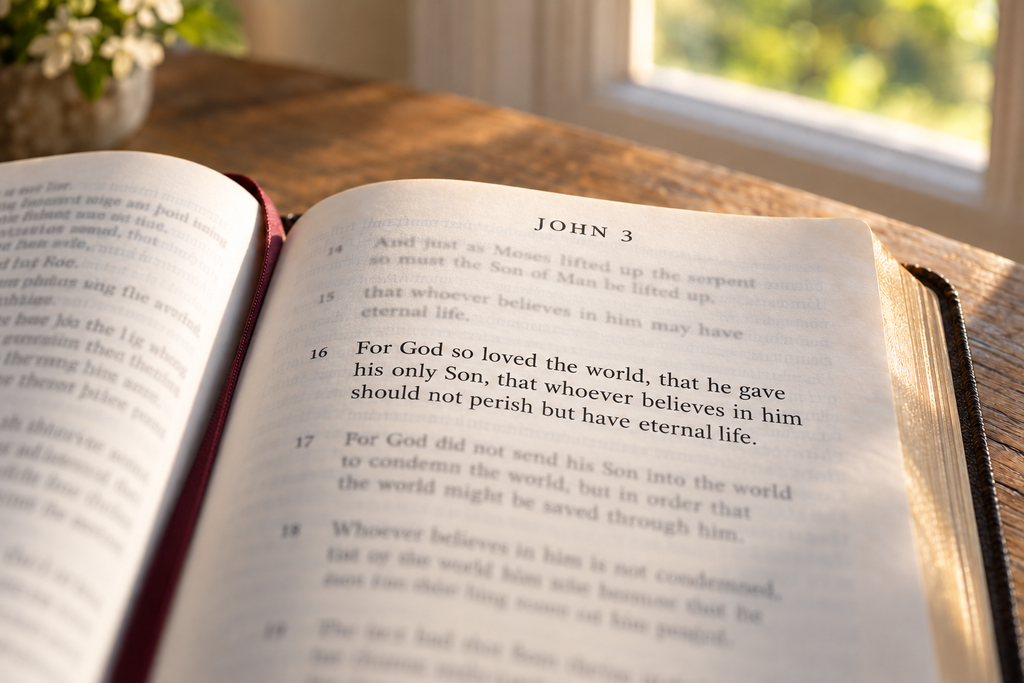
John is one of the four Gospels, the books that tell the story of Jesus’ earthly life, death, and resurrection. Matthew, Mark, Luke, and John each show us Jesus from a distinct perspective, but John can be especially helpful for a new reader because it focuses so clearly on Jesus’ identity.
From its opening words, John points to Jesus as the eternal Word of God who came near to us. As you read, you’ll see Jesus speak with people who are confused, hurting, grieving, religious, doubtful, and deeply in need of grace. He doesn’t turn away from them. He meets them with truth and compassion.
John also includes memorable moments that may feel familiar even if you haven’t spent much time in the Bible: Jesus turning water into wine, speaking with the woman at the well, feeding a hungry crowd, comforting Mary and Martha after their brother dies, and welcoming Thomas in his doubt.
Try reading one chapter a day, or one small section at a time. Notice what Jesus says, how He responds to people, and what the passage reveals about God’s heart. John also contains passages that may take time to understand, including its opening words and some of Jesus’ longer teachings. If you feel puzzled, you haven’t chosen the wrong book. Keep reading, note your questions, and return to them as you learn.
For an overview before you begin, explore BibleProject’s guide to the Gospel of John.
Scripture to Hold Onto as You Begin
The Gospel of John tells us why it was written:
“Now Jesus did many other signs in the presence of the disciples, which are not written in this book; but these are written so that you may believe that Jesus is the Christ, the Son of God, and that by believing you may have life in his name.”
— John 20:30–31 ESV
John did not write simply to give readers more information. He wrote so that people would come to know and trust Jesus. That invitation is still open to you today.
Reading the Bible is not mainly about mastering a difficult book or proving that you know enough. It is an opportunity to encounter the God who has made Himself known. Understanding often grows slowly over time. Faith can begin with a simple willingness to listen.
Let Jesus Be the Center of Your Reading
It can be tempting to begin the Bible at Genesis and then feel discouraged when you reach a difficult passage a few weeks later. Genesis is a beautiful and important book, but starting with Jesus can give the rest of Scripture a clearer center.
The Bible is made up of many books written across many generations, yet its story points toward God’s plan of redemption through Jesus. When you begin with a Gospel, you meet Jesus before trying to sort through every detail of Israel’s history, the laws given to God’s people, or the prophetic writings.
As you read John, keep a few simple questions nearby:
- What does this passage show me about Jesus?
- What does it reveal about God’s character?
- What do I notice about the people Jesus meets?
- Is there a word, phrase, or promise I want to remember?
- What honest response does this bring out in me?
There is no pressure to have a polished answer. Sometimes the most meaningful response is simply, “God, I don’t fully understand this yet, but I want to know You.”
Try Bible Project to see a video summary of each book of the Bible
What to Read After John
Once you finish John, choose a next step based on what you’d like to explore. The books below are options, not a checklist you need to complete in order. You can also return to John and notice things you missed the first time.
Read Mark for a clear picture of Jesus in action
Mark is the shortest Gospel. It moves quickly through Jesus’ ministry, showing His authority, compassion, teaching, miracles, death, and resurrection. If John helps you reflect on who Jesus is, Mark can help you follow the unfolding movement of His life and mission.
Mark may be especially helpful if you prefer a shorter book with a brisk storytelling pace. You’ll see Jesus make room for children, heal people who have suffered for years, teach those who are searching, and walk faithfully toward the cross.
Read Luke and Acts to follow the story forward
Luke gives another detailed account of Jesus’ life, with special attention to His care for people who were often overlooked. Acts continues the story, showing how the early church began after Jesus’ resurrection and ascension.
Together, Luke and Acts show that faith was never meant to remain private or distant. The good news of Jesus moved into ordinary homes, cities, relationships, prayers, meals, and hard circumstances. God worked through imperfect people who needed courage, wisdom, and grace—much like we do.
Read Psalms when you need words for your heart
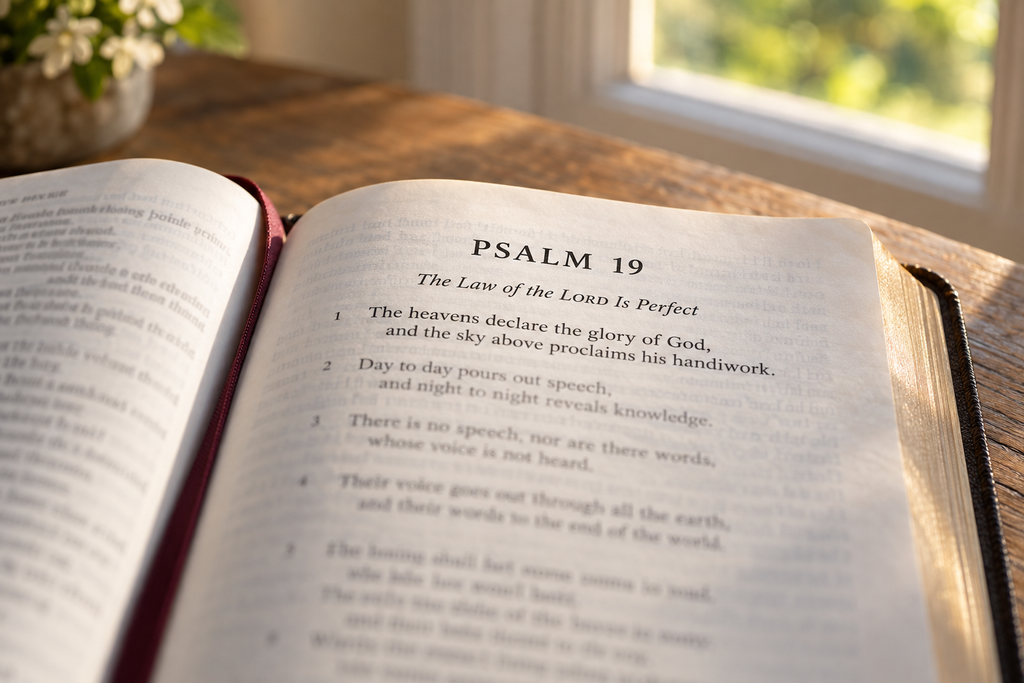
The Psalms are not a single story. They are prayers, songs, and poems that give language to many human experiences: joy, fear, sorrow, gratitude, confusion, repentance, waiting, and trust.
You don’t have to save the Psalms for later. You can read them alongside a Gospel from the beginning. On days when your mind feels crowded or your heart feels heavy, a psalm may be a gentle place to sit with God.
Some psalms celebrate God’s goodness. Others ask hard questions. Both belong in Scripture. That means your honest prayers belong in your relationship with God too.
Read Genesis to understand the beginning of the story
Genesis is a meaningful next step when you are ready to explore the beginning of the Bible’s larger story. It tells of creation, the entrance of sin into the world, God’s covenant with Abraham, and the beginnings of the family through whom God would work.
Reading Genesis after spending time in a Gospel can help you notice connections you might otherwise miss. You’ll begin to see that God’s work in Jesus is not separate from the rest of the Bible but the fulfillment of His long, faithful purpose.
As you read Genesis, notice the promises God makes and how the story develops across generations. A study Bible or trusted teacher can help with unfamiliar customs and difficult passages.
A Simple Bible Reading Rhythm for New Readers
Choose a time you can return to most days, whether that is before breakfast, during a lunch break, or in the evening. Begin with a short passage and give yourself time to think about it. Ten minutes is a manageable starting point, and you can adjust as you find your rhythm.
A simple approach might look like this:
- Read: Choose one chapter or a short section from John.
- Notice: Pay attention to a word, action, question, or promise that stands out.
- Reflect: Consider what the passage shows you about God or your own need for Him.
- Pray: Talk to God about what you read, using your own words.
- Return: Come back the next day without guilt if you miss a day.
Missing a day does not mean you’ve ruined the habit. There is no spiritual scorecard waiting for you. God’s love is not earned through a flawless reading plan. Scripture is a gift, and each new day offers another chance to receive it.
Give Yourself Permission to Read Slowly
New readers sometimes feel pressure to read large portions of the Bible quickly. A reading plan can be useful, but speed is not the same as depth. It is better to understand one small passage than to race through several chapters while feeling disconnected from what you read.
For example, when you read John 4, you might spend time noticing how Jesus speaks with the Samaritan woman at the well. He knows her story completely, yet He begins a conversation with her. He offers living water rather than humiliation. There is much to reflect on in that one encounter.
Or, when you read John 11, you may notice that Jesus weeps alongside those grieving Lazarus. This does not make every sorrow easy, but it reminds us that Jesus is not distant from grief.
Let the passage set the pace. Some days you may read a full chapter. On other days, a few verses may be enough.
When You Don’t Understand What You’re Reading
There will be passages that confuse you. Some may feel unfamiliar because they come from a different time, culture, and place. Others may touch questions you have carried for a long time.
You don’t need to pretend that every verse makes immediate sense. Try writing down your questions instead of letting them stop you. Look for the larger context by reading the verses before and after the passage. Notice who is speaking, who is being addressed, and what is happening.
It can also help to use a Bible translation that is readable for you and to learn alongside trusted Christians, a church community, or a thoughtful Bible study resource. As you seek understanding, remember that the purpose of reading is not merely to collect answers. It is to grow in knowing God.
God is patient with those who are learning. You can be patient with yourself too.
If you later decide to follow a whole-Bible reading plan, The Bible Recap with Tara-Leigh Cobble is another resource to explore. For now, you can stay with John and use the overview linked above.
Prayer
God, thank You for Your Word. When the Bible feels unfamiliar or overwhelming, please help me begin with a willing heart. Show me who Jesus is, meet me in my questions, and give me grace to return again and again. Amen.
Reflection Question
What would it look like to approach the Gospel of John this week without pressure to know everything, but with openness to meet Jesus in its pages?
Final Thoughts
If you’re not sure what to read first in the Bible, begin with John and let that be enough for now. Read slowly. Ask honest questions. Pay attention to Jesus.
You are not behind, and you do not need to have it all figured out before you open the Bible. Grace meets you at the beginning—and keeps meeting you as you continue.