
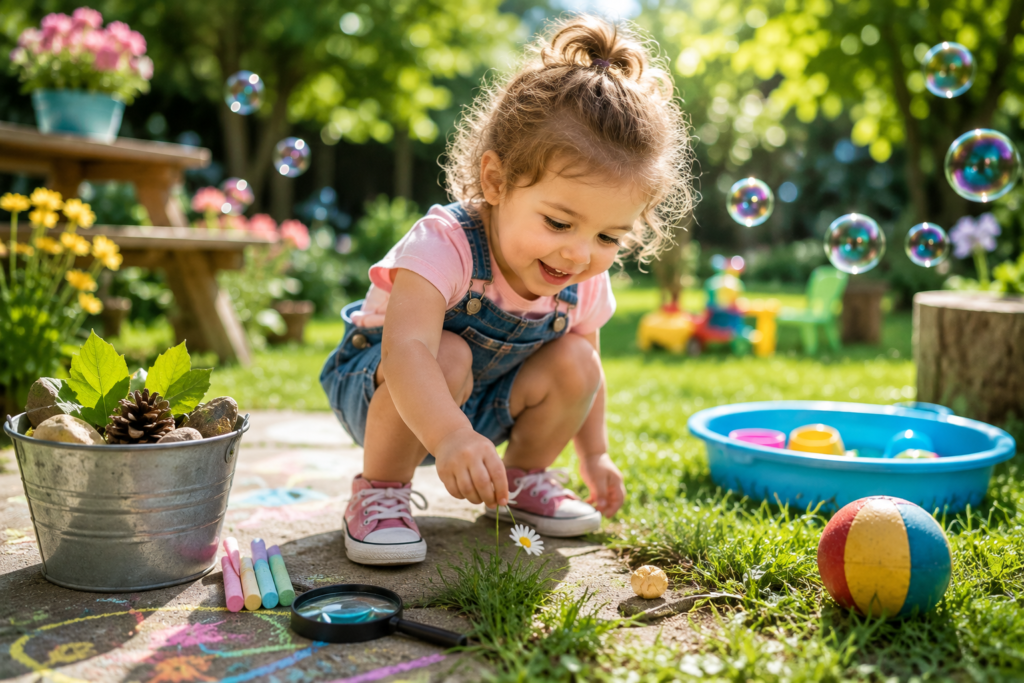
Toddlers are naturally curious explorers who learn about the world around them through movement and play. Encouraging outdoor play offers a wonderful opportunity to nurture their development while providing a refreshing break from indoor routines. The benefits of outdoor play extend beyond just fun; it supports physical health, emotional well-being, social skills, and cognitive growth. Finding simple, engaging activities that delight toddlers outdoors can help families create joyful moments together and foster a lifelong love for nature and active living.
Many parents and caregivers recognize the value of fresh air and open spaces but may wonder how to make outdoor time meaningful for energetic little ones. Toddlers thrive with a mix of freedom to explore and gentle guidance to discover new experiences safely. The right activities can spark creativity, build confidence, and encourage important skills like coordination and problem-solving. With a bit of thoughtful planning and flexibility, outdoor play can become a cherished part of the daily rhythm, offering both children and adults a peaceful, joyful way to connect with each other and the world around them.
Affiliate disclosure: Some links in this article are affiliate links. If you make a purchase through an affiliate link, I may earn a commission at no additional cost to you. As an Amazon Associate I earn from qualifying purchases.
Why Outdoor Play Matters for Toddlers
Spending time outdoors offers unique benefits that indoor environments simply can’t match. For toddlers, being outside encourages physical activity, which is essential for their growing bodies. Running, climbing, jumping, and balancing help develop gross motor skills and build muscle strength. These physical activities also promote cardiovascular health and can contribute to better sleep patterns, which are so important during this early stage of rapid growth.
Beyond the physical, outdoor play provides rich sensory experiences. Toddlers encounter a range of textures, smells, sounds, and sights, all of which stimulate brain development. Feeling the grass, listening to birds, or watching leaves flutter in the wind offers opportunities for mindfulness and curiosity that nurture cognitive skills. Outdoor spaces also encourage imaginative play and creativity as toddlers interact with natural elements in unstructured ways.
Social and emotional growth also flourishes in outdoor settings. Playing with other children in a park or backyard helps toddlers practice sharing, taking turns, and communicating. Even solo play outdoors can support emotional regulation by providing a calming environment and a gentle challenge that builds confidence. These moments of discovery and accomplishment contribute to positive self-esteem and a sense of independence.
Simple Outdoor Activities That Delight Toddlers
Bringing toddlers outside doesn’t require elaborate setups or expensive equipment. Many activities can be enjoyed with just a few household items and a bit of open space. The key is to keep things flexible and follow the child’s interests, allowing them to lead the way.
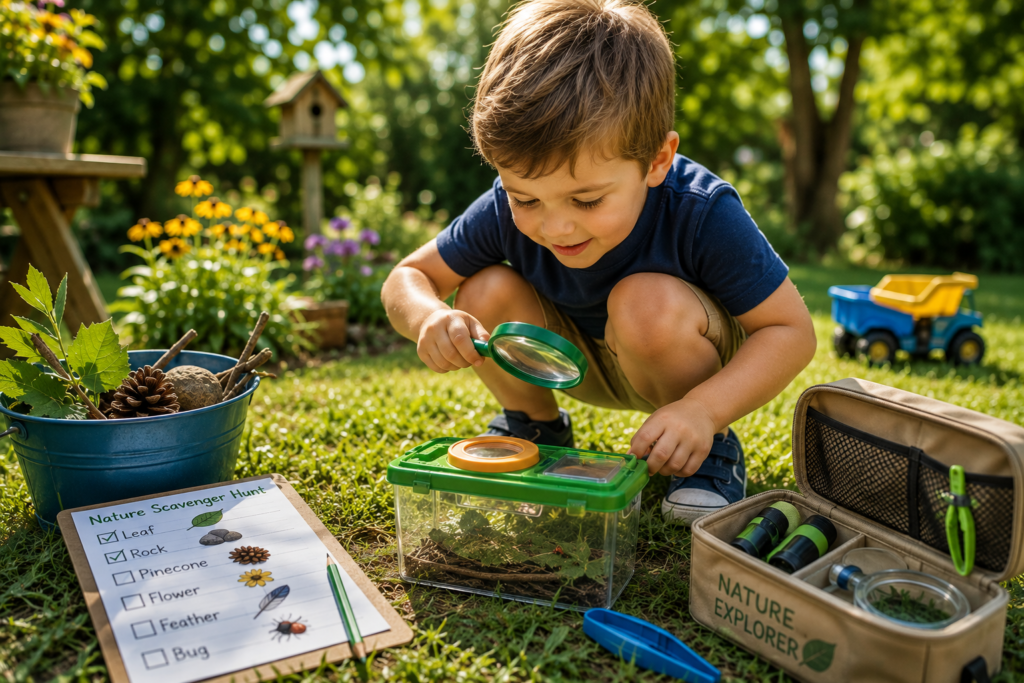
- Nature Scavenger Hunt: Create a simple list or picture cards of things to find, like a pinecone, a smooth rock, a feather, or a flower. Toddlers love the sense of adventure and accomplishment as they gather each item. This activity encourages observation skills and introduces basic concepts like colors and shapes.
- Water Play: On warm days, a small basin of water, along with cups, spoons, and toys, can provide endless fun. Splashing, pouring, and floating objects help toddlers explore cause and effect while cooling off. Water play also supports fine motor development and sensory exploration.
- Chalk Art: Sidewalk chalk is an inexpensive way to invite creativity outdoors. Toddlers can scribble, draw shapes, or create simple hopscotch games. This activity develops hand-eye coordination and allows for expressive play in an open-air setting.
- Obstacle Course: Use pillows, cones, or natural elements like sticks and rocks to design a simple course for toddlers to climb over, crawl under, or walk around. This encourages physical activity, problem-solving, and balance in a playful way.
- Bug Watching: Giving toddlers a magnifying glass to observe ants, ladybugs, or worms can spark fascination with the natural world. This gentle introduction to biology encourages respect and curiosity about living creatures.
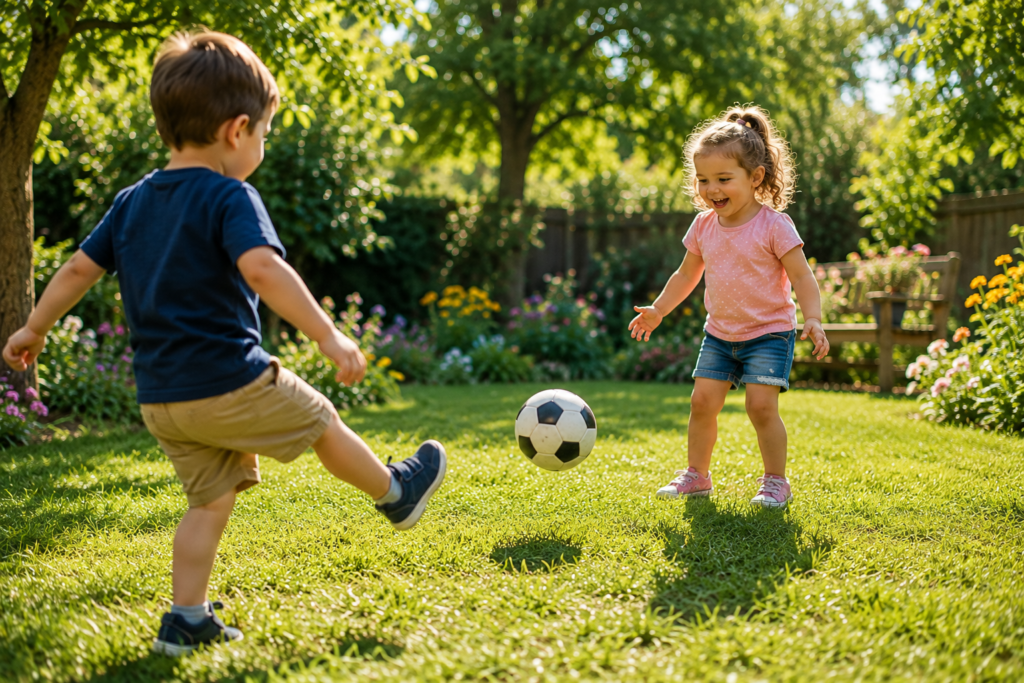
- Ball Games: Rolling, tossing, or kicking a soft ball helps toddlers develop coordination and social skills if playing with others. Balls are versatile and can be used in a variety of ways depending on the child’s mood and energy level.
Encouraging Outdoor Play in Everyday Life
Incorporating outdoor play into a toddler’s daily routine doesn’t have to be complicated. Setting realistic expectations and creating a welcoming outdoor environment can make it easier for families to enjoy this valuable time together.
Starting with short, manageable sessions helps toddlers adjust and keeps frustration at bay. Even 15 to 30 minutes outside can make a positive difference. Weather permitting, aim for daily outdoor time, but remain flexible—rainy days or extreme temperatures may require indoor alternatives that include fresh air near a window or a covered porch.
Preparing a go-bag with essentials like sunscreen, hats, water bottles, and a few favorite toys or books can simplify outings. Having a dedicated outdoor play area at home, even if it’s just a small patch of grass or balcony space, encourages spontaneous exploration.
Parents and caregivers can model enthusiasm for outdoor time by joining in the play, asking open-ended questions, and celebrating small discoveries. This shared experience strengthens bonds and shows toddlers that the world outside is a place of wonder and joy.
Final Thoughts
Outdoor play offers toddlers a rich tapestry of benefits that support their whole development—from physical growth to emotional resilience. Simple activities like nature hunts, water play, and chalk art can transform ordinary moments into joyful learning experiences. The key is to keep playtime flexible, enjoyable, and attuned to each child’s pace and interests.
By weaving outdoor play into daily life, families create space for fresh air, movement, and connection that nurture well-being for both children and adults. These times spent exploring and discovering together lay the foundation for a lifetime of curiosity and appreciation for the beauty of the world beyond the doorstep. Encouragement and gentle consistency can help make outdoor play a delightful habit that enriches every stage of childhood.