

Creating a quiet time that truly supports mental clarity and emotional balance can be transformative in today’s fast-paced world. Many people seek moments of calm amid daily chaos but struggle to establish a routine that sticks or delivers real benefits. Building a quiet time that actually works requires intentionality, structure, and a focus on what genuinely restores energy and concentration. This article explores practical strategies and examples to help cultivate a quiet time that promotes genuine relaxation, reflection, and renewal.
Understanding the Purpose of Quiet Time
Quiet time is more than just a break from noise; it’s a dedicated period designed to foster mindfulness, reduce stress, and encourage personal growth. Recognizing its purpose is essential for shaping a routine that feels meaningful and sustainable.

- Mental Reset: Quiet time helps clear the mind of clutter and distractions, enabling better focus and creativity afterward.
- Emotional Recharge: It offers space to process feelings and relieve tension, contributing to emotional resilience.
- Spiritual or Reflective Practice: For many, quiet time serves as a moment to connect with deeper values or spiritual beliefs, enhancing overall well-being.
When the purpose is clear, the components of quiet time can be tailored to fit individual needs rather than following a generic formula.
Choose the Right Time and Environment
Selecting when and where to have quiet time is fundamental. A well-chosen time slot prevents interruptions and makes the practice more effective.

- Consistent Scheduling: Many find mornings or evenings ideal because the day’s demands are minimal. Consistency helps in turning quiet time into a habit.
- Minimal Distractions: A quiet room, a cozy corner, or even a peaceful outdoor spot can serve as a dedicated space. Removing electronic devices or setting them to ‘Do Not Disturb’ mode reduces interruptions.
- Comfort and Ambience: Soft lighting, comfortable seating, and calming scents can enhance relaxation and make the experience inviting.
By aligning quiet time with natural rhythms and creating a welcoming environment, it becomes easier to look forward to and maintain.
Incorporate Mindfulness and Breathing Techniques
Mindfulness is a commonly recommended practice to elevate the quality of quiet time. It trains the mind to focus on the present moment, reducing anxiety and increasing clarity.

- Mindful Breathing: Simple breathing exercises, such as inhaling deeply for four counts and exhaling slowly for six, anchor attention and calm the nervous system.
- Body Scan: Paying attention to physical sensations from head to toe can ground the mind and release tension.
- Guided Meditation: Using apps or recordings can provide structure for those new to mindfulness, helping to maintain focus without distraction.
Integrating these practices encourages a deeper state of calm and heightens the restorative effects of quiet time.
Use Journaling for Reflection and Clarity
Journaling during or after quiet time can transform passive moments of silence into active periods of self-discovery and problem-solving.

- Gratitude Lists: Writing down things one is grateful for fosters positivity and shifts perspective.
- Stream of Consciousness Writing: Allowing thoughts to flow freely onto paper can uncover hidden worries or insights.
- Goal Setting and Review: Quiet time can be used to assess progress toward personal or professional goals, helping maintain motivation.
A journal acts as a tangible record that reinforces the benefits of quiet time and encourages a habit of reflection.
Incorporate Gentle Movement or Stretching
For some, complete stillness can be challenging or less effective. Introducing gentle movement during quiet time supports relaxation while keeping the body engaged.
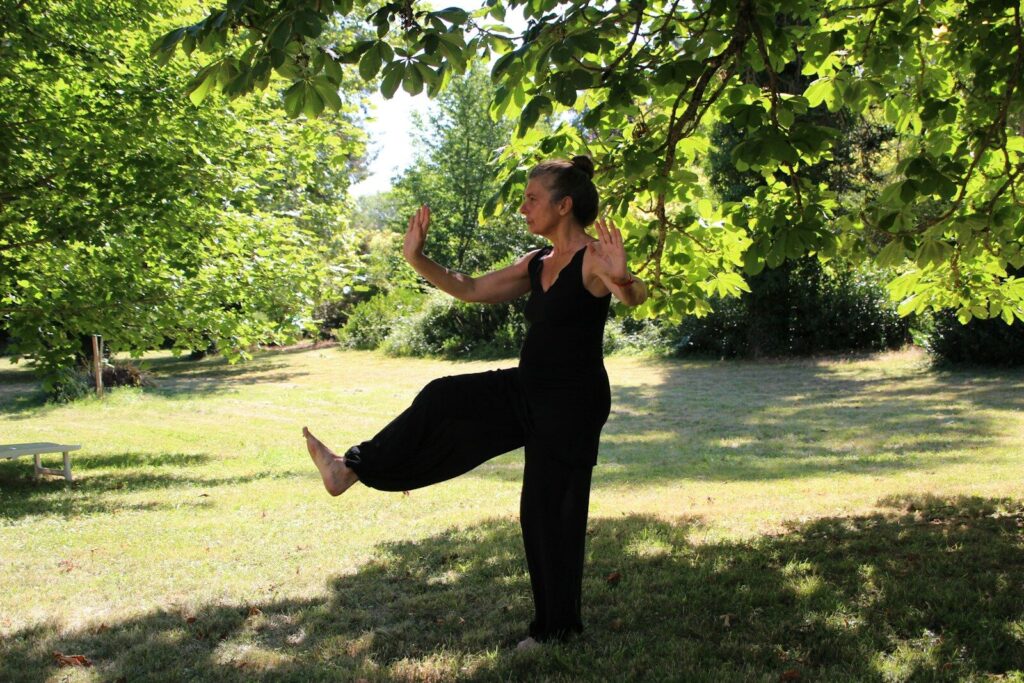
- Yoga or Stretching: Slow, deliberate poses relax muscles and improve circulation.
- Walking Meditation: A slow, focused walk outside combines fresh air with mindfulness.
- Tai Chi or Qigong: These practices blend movement and breath for a meditative experience.
Movement options can be tailored to individual preferences and physical abilities, making quiet time accessible and varied.
Set Boundaries and Manage Expectations
Ensuring quiet time actually works involves setting boundaries that protect this period from being compromised by other demands.
- Communicate Needs: Letting family, roommates, or colleagues know about your need for quiet time helps reduce interruptions.
- Limit Multitasking: Avoid combining quiet time with other activities, such as checking email or social media.
- Be Flexible but Firm: It’s okay to adjust the length or timing occasionally, but maintaining overall consistency is key.
Respecting these boundaries reinforces the value of quiet time and allows it to become a dependable sanctuary.
Experiment and Personalize Your Approach
There is no one-size-fits-all method to quiet time. Success often comes from trying different techniques and adjusting based on what feels most meaningful and effective.
- Track What Works: Keeping notes on what activities or times create the best experience can guide improvements.
- Mix Practices: Combining meditation, journaling, and movement can keep quiet time fresh and engaging.
- Adapt to Life Changes: Quiet time routines may evolve as schedules, stress levels, or interests change.
Personalization ensures quiet time remains a flexible tool for mental and emotional well-being rather than a chore.
Building a quiet time that actually works involves intentional choices about purpose, environment, activities, and boundaries. By integrating mindfulness, reflection, gentle movement, and consistent scheduling, anyone can create a restorative space that supports clarity and calm. The key takeaway is to prioritize quiet time as a non-negotiable part of daily life and tailor it to individual needs for lasting benefits.