
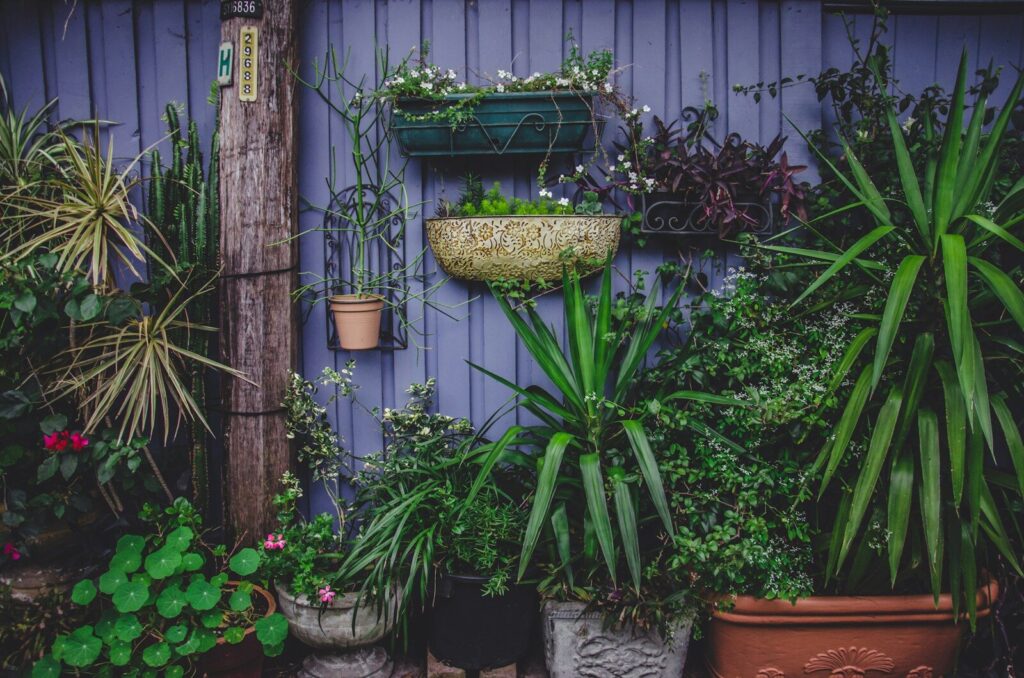
Small porches and patios often come with the challenge of limited space, making it difficult to cultivate a lush garden or enjoy fresh herbs and flowers right outside the door. Vertical gardening presents a smart solution by maximizing vertical space and transforming compact outdoor areas into vibrant green sanctuaries. However, successful vertical gardening requires thoughtful planning and techniques tailored to these smaller environments.
From selecting the right structures to optimizing plant choices and maintenance routines, vertical gardening can enhance both the functionality and aesthetic appeal of small porches and patios. This guide shares ten practical, lesser-known tips to turn even the tiniest outdoor spots into thriving vertical gardens, proving that limited space doesn’t mean limited possibilities.
Affiliate disclosure: Some links in this article are affiliate links. If you make a purchase through an affiliate link, I may earn a commission at no additional cost to you. As an Amazon Associate I earn from qualifying purchases.
1. Choose Lightweight Containers
When dealing with vertical gardens on small porches or patios, weight becomes a crucial factor. Lightweight containers such as fabric pockets, plastic pots, or small resin planters reduce the load on walls, railings, and support structures. These materials are easier to move and maintain, especially when watering or rearranging plants.
Why it stands out: Using lightweight containers prevents structural stress and makes maintenance manageable, ensuring the vertical garden remains safe and sustainable in tight spaces.
2. Use Modular Planter Systems
Modular planter systems allow gardeners to customize the layout of their vertical gardens. These systems typically consist of stackable or interlocking units that can be arranged to fit the available wall or fence space precisely. They also make it easier to replace individual plants without disturbing the entire garden.
Why it stands out: Modular setups provide flexibility to adapt the garden as needed, accommodating plant growth and design changes without hassle.
3. Integrate Shelving with Planters
Combining shelving units with planters provides dual functionality—extra storage and space for plants. Shelves can hold small pots, gardening tools, or decorative items, while the planter sections add greenery. This approach works well on narrow porches where floor space is at a premium.
Why it stands out: Integrating shelves maximizes utility and visual interest, making the most of every inch of limited outdoor space.
4. Opt for Vertical Trellises with Climbing Plants
Vertical trellises encourage climbing plants like vines, peas, or beans to grow upwards, effectively using vertical space. Trellises can be mounted on walls, fences, or freestanding frames. Climbing plants not only save space but also add natural privacy and shade.
Why it stands out: Trellises create a living wall that boosts greenery without taking up floor area, ideal for small patios seeking natural barriers.
5. Employ Self-Watering Systems
Small vertical gardens often face watering challenges because gravity pulls water downward. Self-watering planters or systems with reservoirs help maintain consistent moisture levels. These systems reduce watering frequency and prevent overwatering, which is crucial in tight spaces where drainage may be limited.
Why it stands out: Self-watering setups simplify care routines and protect plants from water stress, enhancing plant health in vertical arrangements.
6. Incorporate Reflective Surfaces
Reflective materials like mirrors, shiny metal panels, or glass can be positioned behind vertical garden structures. These surfaces bounce light onto plants, increasing brightness in shaded or partially shaded porches. Reflective elements also create an illusion of depth, making small spaces feel larger.
Why it stands out: Reflective surfaces increase light exposure for plants while enhancing the sense of spaciousness in compact outdoor areas.
7. Select Compact, Slow-Growing Plants
Choice of plants can make or break a vertical garden in a small space. Compact and slow-growing species, such as dwarf herbs, succulents, or miniature flowering plants, require less frequent pruning and fit neatly into small containers. These plants are easier to manage vertically and avoid overcrowding.
Why it stands out: Using appropriately sized plants keeps the garden tidy, manageable, and thriving without overwhelming limited space.
8. Use Treated Wood or Weather-Resistant Materials
Outdoor vertical structures need to withstand the elements, including rain, sun, and wind. Treated wood, powder-coated metals, or durable plastics resist deterioration over time. Choosing weather-resistant materials ensures the vertical garden frame remains stable and visually appealing season after season.
Why it stands out: Durable materials reduce maintenance needs and prolong the lifespan of the vertical garden setup, which is especially important for exposed small patios.
9. Plan for Easy Access and Maintenance
Accessibility is critical when working with vertical gardens in small areas. Position planters and shelves at reachable heights to facilitate watering, pruning, and harvesting. Avoid placing containers too high or too deep, as this makes care cumbersome.
Why it stands out: Planning for easy maintenance encourages regular plant care, promoting healthier growth and more enjoyment.
10. Layer Plants for Depth and Texture
Creating layers by mixing trailing, upright, and bushy plants adds dimension to vertical gardens. This layering technique enhances visual appeal and can create microclimates for different plant needs. Trailing plants soften edges, while upright varieties add height and structure.
Why it stands out: Layering plants boosts the garden’s aesthetic complexity and helps optimize space usage by combining diverse plant habits.
Final Thoughts
Vertical gardening offers a practical and creative way to bring lush greenery to small porches and patios without sacrificing precious floor space. By carefully selecting containers, plants, and structures designed for compact environments, it’s possible to build a thriving garden that fits perfectly into tight outdoor areas. These tips highlight actionable strategies that balance plant health, ease of maintenance, and visual appeal.
Embracing vertical gardening not only maximizes limited square footage but also creates inviting, personalized outdoor spaces that enhance everyday living. Whether for growing fresh herbs, bright flowers, or privacy screens, the right approach empowers gardeners to enjoy nature’s benefits even in small spaces. With thoughtful planning and simple techniques, anyone can transform a modest porch or patio into a vibrant vertical garden oasis.