
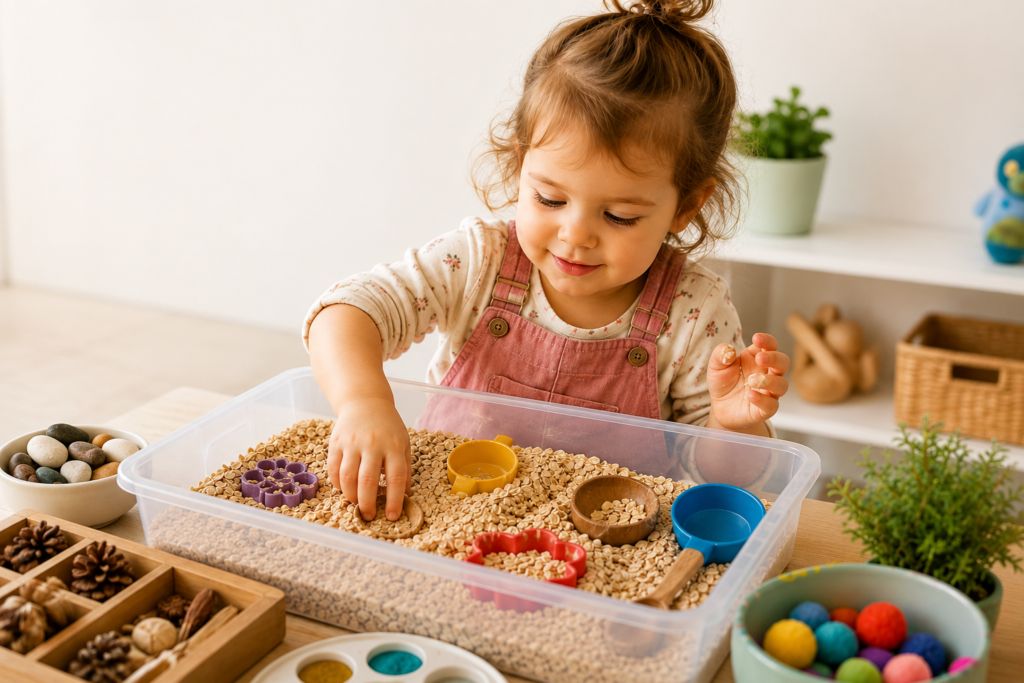
Introducing toddlers to sensory play opens a world of discovery that’s as delightful as it is beneficial. Sensory play invites little ones to explore the world through their senses—touch, sight, sound, smell, and sometimes taste—helping them develop essential skills while having fun. For parents and caregivers, the idea of sensory play might seem overwhelming at first, especially with so many options and materials available. But it doesn’t have to be complicated or costly. With a gentle approach and some simple guidance, sensory play can become a natural, enjoyable part of everyday life.
This beginner’s guide gently walks through the basics of sensory play for toddlers, helping caregivers feel confident and inspired to create meaningful experiences that support little ones’ growth. From understanding what sensory play is to practical steps for getting started, the goal is to provide clear, manageable ideas that fit into busy family rhythms without pressure or perfection. Whether you’re new to this or just looking for fresh ideas, this guide offers a warm introduction to welcoming sensory exploration into your toddler’s day.
Affiliate disclosure: Some links in this article are affiliate links. If you make a purchase through an affiliate link, I may earn a commission at no additional cost to you. As an Amazon Associate I earn from qualifying purchases.
Quick Facts
- Skill Level: Beginner-friendly; no prior experience needed
- Time to Learn: Immediate start possible, with ongoing discovery
- Difficulty: Easy to moderate; adaptable to different spaces and schedules
- Best For: Toddlers aged 1 to 3 years; parents, caregivers, early childhood educators
Bee & Flower Sensory Bin Filler
Beginner Guide Overview
Sensory play is an umbrella term for activities that engage a child’s senses and encourage exploration. For toddlers, whose brains are rapidly developing, these experiences promote cognitive, motor, and social-emotional growth. However, the abundance of ideas—ranging from messy art projects to nature walks—can make it tricky for beginners to know where to begin. This guide will clarify what sensory play really means, why it’s valuable, and how to introduce it in simple, doable ways that feel natural rather than overwhelming.
Beginners will learn how to choose appropriate materials, set up safe and inviting play spaces, and understand what to expect as toddlers engage their senses. The emphasis is on gentle encouragement, flexibility, and enjoying the process alongside the child. Sensory play isn’t about perfection or elaborate setups; it’s about connection and discovery, with plenty of room to adapt to your family’s unique pace and lifestyle.
Understanding the Basics
What Is Sensory Play?
Sensory play involves activities that stimulate a toddler’s senses—touch, sight, hearing, smell, and sometimes taste—in a hands-on way. It often includes exploring different textures, colors, sounds, and smells, helping children make sense of their environment. For example, running fingers through sand, listening to water splashing, or smelling fresh herbs all qualify as sensory play.
Why Is Sensory Play Important?
Engaging the senses helps toddlers develop critical brain pathways, supporting skills like problem-solving, coordination, and language. It also encourages curiosity and creativity. Sensory experiences can soothe emotions and build confidence as toddlers learn through exploration rather than instruction.
Common Types of Sensory Play
Sensory play can take many forms, including tactile (touch), auditory (sound), visual (sight), olfactory (smell), and gustatory (taste) activities. Tactile play might involve water, sand, or playdough. Auditory play includes musical instruments or listening games. Visual play could be sorting colorful objects or watching bubbles float. Exploring scents through herbs or spices adds an olfactory element.
Safety Considerations
Since toddlers tend to put things in their mouths, it’s important to choose non-toxic, age-appropriate materials and supervise play closely. Avoid small objects that could cause choking, and keep messy or wet play in easy-to-clean spaces. Sensory play should always feel safe and comfortable—not stressful—for both caregiver and child.
How to Get Started
Step 1: Choose Simple Materials
Start with everyday household items like dry pasta, cotton balls, water, or safe kitchen utensils. These provide a variety of textures and experiences without requiring special purchases.
Step 2: Create a Designated Space
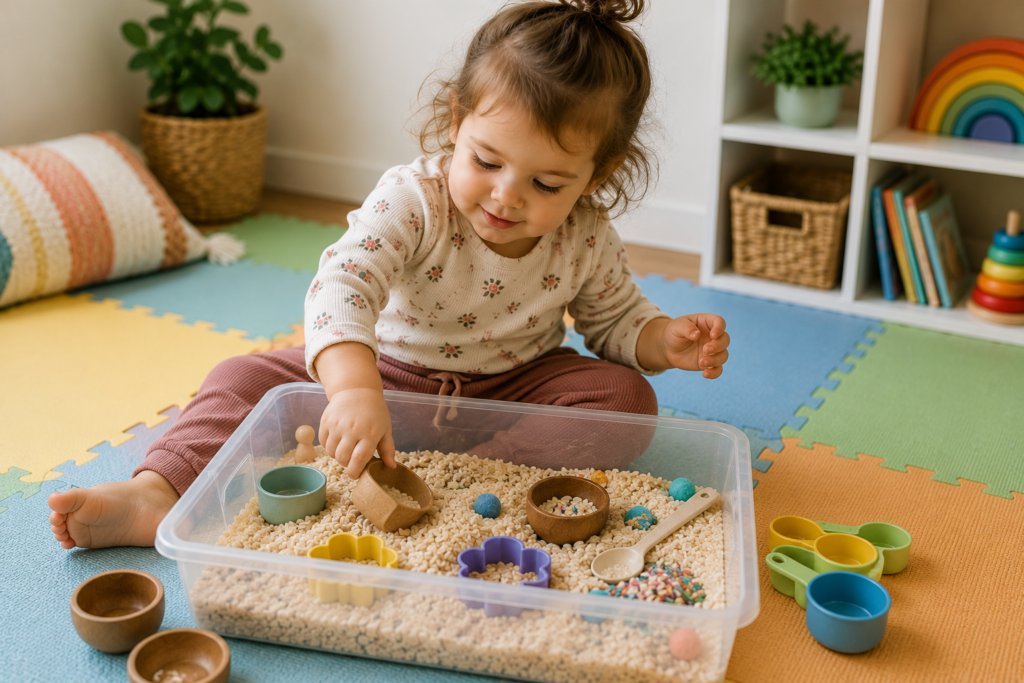
Set up a small area that’s easy to clean, such as a plastic tray on a table or a washable mat on the floor. This helps contain mess and signals to the toddler that it’s playtime.
Step 3: Introduce One Sense at a Time
Focus on one sensory experience initially, such as touching different fabrics or listening to soft music. This helps toddlers focus and prevents overwhelm.
Step 4: Let the Child Lead
Observe what interests the toddler most and follow their cues. If they want to explore an item repeatedly or move quickly to something else, that’s perfectly fine.
Step 5: Use Open-Ended Materials
Pick items that invite creativity and multiple ways to play, like blocks, water, or sand. This encourages imagination and problem-solving.
Step 6: Keep Sessions Short and Sweet
Toddlers have limited attention spans, so keep sensory play sessions brief—around 10 to 15 minutes—to maintain engagement without frustration.
Step 7: Talk Through the Experience
Describe textures, colors, and sounds as the toddler explores. Simple language helps build vocabulary and connects sensory input with words.
Step 8: Clean Up Together
Make tidying up part of the routine. This teaches responsibility and helps set boundaries around play.
What Beginners Need
- Essentials:
- Safe, non-toxic sensory materials (e.g., dry pasta, water, soft fabrics)
- A washable play surface or mat
- Containers or trays to organize materials
- Close supervision and patience
- Optional Upgrades:
- Sensory bins with themed contents (rice, beans, sand)
- Child-sized tools like scoops, spoons, or tongs
- Simple musical instruments (like shakers or bells)
- Books or cards that engage senses visually or through touch
Common Beginner Mistakes
- Using too many materials at once, which can overwhelm the toddler and the caregiver. Starting small helps maintain focus and enjoyment.
- Expecting toddlers to “play correctly” or follow strict instructions, rather than encouraging free exploration. Sensory play is about discovery, not outcomes.
- Neglecting safety precautions, such as failing to supervise or offering items that could pose a choking hazard. Close watchfulness is essential.
- Forgetting to prepare for cleanup, which can lead to stress and reluctance to continue sensory activities. Having a cleanup plan makes the process smoother.
- Rushing sessions or forcing participation when the child is uninterested. Sensory play should feel inviting, not pressured.
What to Expect
Sensory play is a gradual process. At first, toddlers may simply explore textures or sounds with curiosity but little sustained focus. Over time, they will develop preferences, experiment with cause and effect, and gain confidence in their abilities. The time invested is flexible—some days may involve longer play sessions, others brief moments of interest.
Costs can be minimal, especially when using household items, but investing in a few sensory materials or tools can offer variety. The key is to keep expectations realistic: sensory play is not about perfect setups or complex projects but about nurturing a child’s natural curiosity in manageable ways.
Where to Go From Here
Once comfortable with basic sensory activities, caregivers can explore themed sensory bins, introduce nature-based play, such as leaf or flower exploration, or incorporate movement and balance activities that engage multiple senses at once. Developing a sensory play routine that fits into daily life helps build consistency without pressure.
Further learning might include researching toddler developmental milestones related to sensory experiences or connecting with local playgroups for shared sensory play. Over time, sensory play can become a joyful, integral part of early childhood growth, fostering a lifelong love of learning and discovery.
Frequently Asked Questions
What if my toddler is messy and resistant to clean up?
Messiness is part of sensory play, and patience is key. Involve toddlers in cleanup with simple tasks and praise their efforts to encourage cooperation.
Can sensory play help a toddler with sensory processing challenges?
Yes, sensory play can support sensory integration, but it’s important to tailor activities to the child’s specific needs and consult professionals if concerns arise.
How often should sensory play be done?
There’s no set rule. Even short, frequent sessions can be beneficial. Follow the toddler’s interest and energy levels.
Are there any safety risks with sensory play?
Supervision is essential. Avoid small or harmful items, use non-toxic materials, and ensure the play space is safe and clean.
Final Thoughts
Sensory play offers a gentle, joyful way for toddlers to connect with their world, supporting their growth one touch, sound, and sight at a time. For caregivers, it’s an opportunity to slow down and share meaningful moments without the pressure of perfection. Starting simple, staying attentive to the child’s responses, and embracing curiosity over structure can transform everyday moments into rich learning experiences.
Remember, sensory play is less about the materials or setup and more about the connection and discovery it fosters. With warmth and patience, it becomes a treasured part of the journey through toddlerhood—one small step toward a lifetime of wonder.