
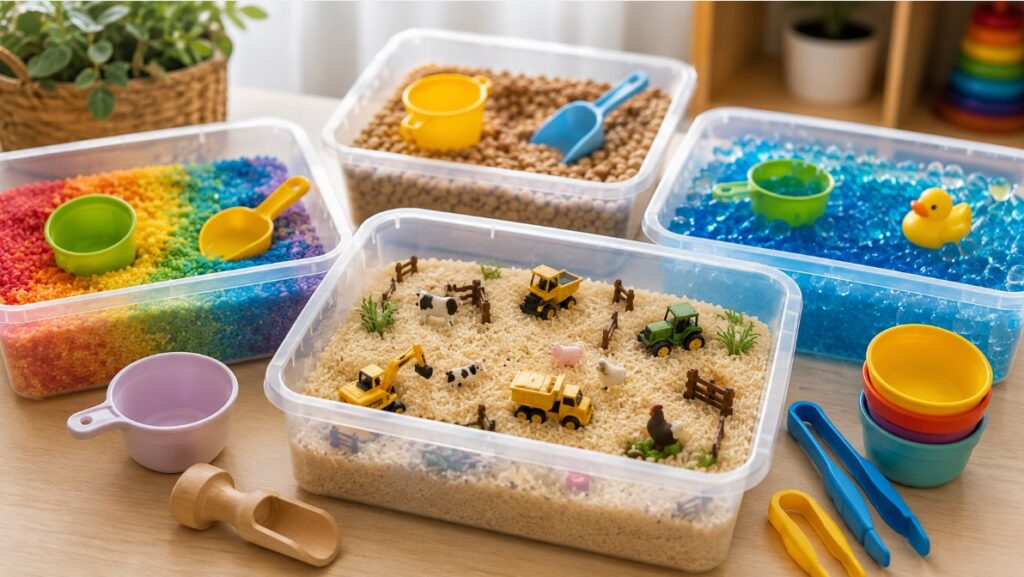
Toddlers are bundles of energy and curiosity, often making quiet moments a rare luxury for parents and caregivers. Finding activities that captivate their attention while engaging their senses can be a game-changer for everyone involved. Sensory bins serve this purpose beautifully, providing a tactile and exploratory experience that can keep toddlers entertained and calm for extended periods.
These bins encourage fine motor skills, creativity, and focus through hands-on play with a variety of textures and objects. Creating your own sensory bins tailored to your toddler’s interests and developmental needs can be both budget-friendly and endlessly customizable. The following list features ten DIY sensory bin ideas that are practical, simple to assemble, and proven to keep little ones happily occupied.
Affiliate disclosure: Some links in this article are affiliate links. If you make a purchase through an affiliate link, I may earn a commission at no additional cost to you. As an Amazon Associate I earn from qualifying purchases.
1. Colored Rice Sensory Bin
Colored rice is a classic sensory bin filler that’s easy to make at home by mixing uncooked rice with food coloring. This bin invites toddlers to scoop, pour, and sift through vibrant grains, enhancing their visual and tactile senses. Adding small cups, spoons, and funnels can extend playtime and encourage imaginative scenarios.
Why it stands out: Its affordability and versatility make it an accessible option that sparks creativity and fine motor development without much preparation.
2. Water Beads Sensory Bin
Water beads are soft, squishy spheres that expand when soaked in water, providing a unique texture that fascinates toddlers. Using a shallow container, fill it with hydrated beads and toss in small toys or scooping tools for varied interaction. The cool, slippery feel helps soothe sensory seekers and supports hand-eye coordination.
Why it stands out: It offers a novel sensory experience that’s both calming and engaging, perfect for children who enjoy tactile exploration.
3. Nature Discovery Sensory Bin
Collect items from your backyard or park such as pinecones, leaves, acorns, and sticks to create a nature-themed sensory bin. This setup connects toddlers with the outdoors and encourages curiosity about the natural world. Including magnifying glasses and small containers for sorting can deepen the learning experience.
Why it stands out: It combines sensory play with environmental education, fostering appreciation for nature while keeping toddlers engaged.
4. Pasta and Bean Mix Sensory Bin
👉 View Sensory Beans on Amazon →
👉 View Sensory Pasta on Amazon →
A mix of dried pasta shapes and assorted beans provides a variety of textures and sizes for little hands to explore. Toddlers can practice sorting by color, shape, or size, which supports cognitive development. This bin is also easy to refill and customize with different types of pasta or legumes.
Why it stands out: It supports early math skills and sensory exploration simultaneously, offering a simple but enriching activity.
5. Sand and Small Toy Sensory Bin
Using play sand or kinetic sand as a base, this sensory bin invites digging, molding, and building. Adding small toy animals, cars, or construction tools encourages imaginative play and storytelling. Sand’s malleable nature makes it particularly satisfying for sensory seekers who enjoy shaping and texture variation.
Why it stands out: It promotes creativity and sensory regulation through hands-on manipulation of a versatile material.
6. Frozen Toy and Ice Cube Sensory Bin
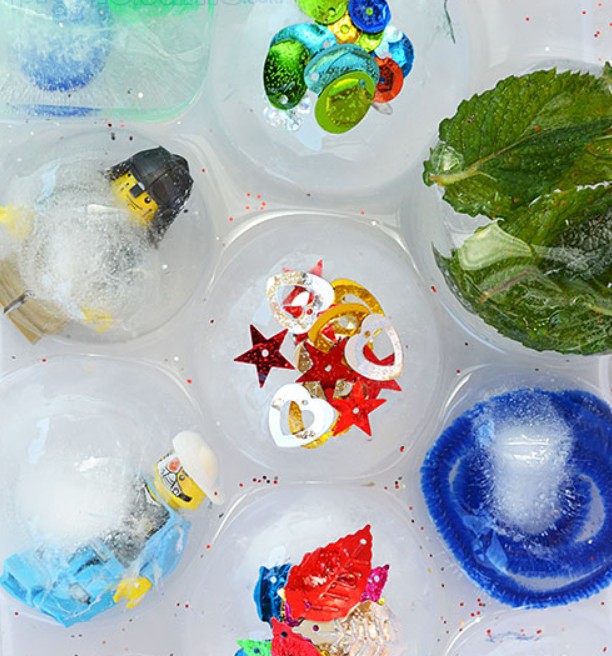
Freeze small toys inside ice cubes or blocks of ice and place them in a shallow bin for toddlers to melt and uncover. This activity introduces concepts of temperature and change while encouraging fine motor skills as children tap or scoop to free the toys. Adding a little salt and droppers can extend the experience.
Why it stands out: It combines sensory play with science exploration, engaging toddlers in cause-and-effect learning.
7. Pom-Poms and Tongs Sensory Bin
Soft, colorful pom-poms paired with child-safe tongs offer a playful way to develop hand strength and coordination. Toddlers enjoy picking up and sorting pom-poms by color or size, turning it into a fun learning game. This bin is particularly beneficial for children who are refining their pincer grip.
Why it stands out: It’s a simple yet effective way to build fine motor skills through engaging and mess-free play.
8. Shredded Paper and Hidden Objects Sensory Bin
Fill a container with shredded paper and hide small toys or objects within. Toddlers delight in digging through the paper to find surprises, encouraging sensory exploration and problem-solving. You can tailor the hidden items to your child’s interests for added motivation.
Why it stands out: It encourages focus and discovery while providing a safe, tactile environment that stimulates curiosity.
9. Oobleck Sensory Bin
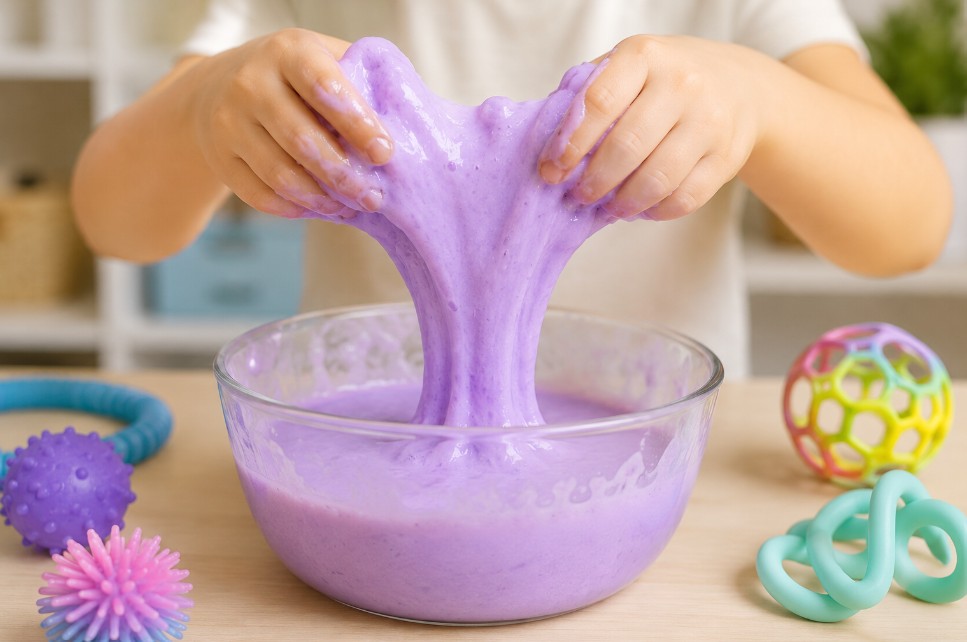
Oobleck, a non-Newtonian fluid made from cornstarch and water, offers a fascinating texture that alternates between liquid and solid. Toddlers can squeeze, drip, and mold oobleck, which helps with sensory regulation and motor skills. This easy-to-make mixture cleans up quickly, making it practical for indoor use.
Why it stands out: It provides a unique sensory experience that challenges toddlers’ perceptions and engages them physically and mentally.
10. Dry Cereal and Scooping Sensory Bin
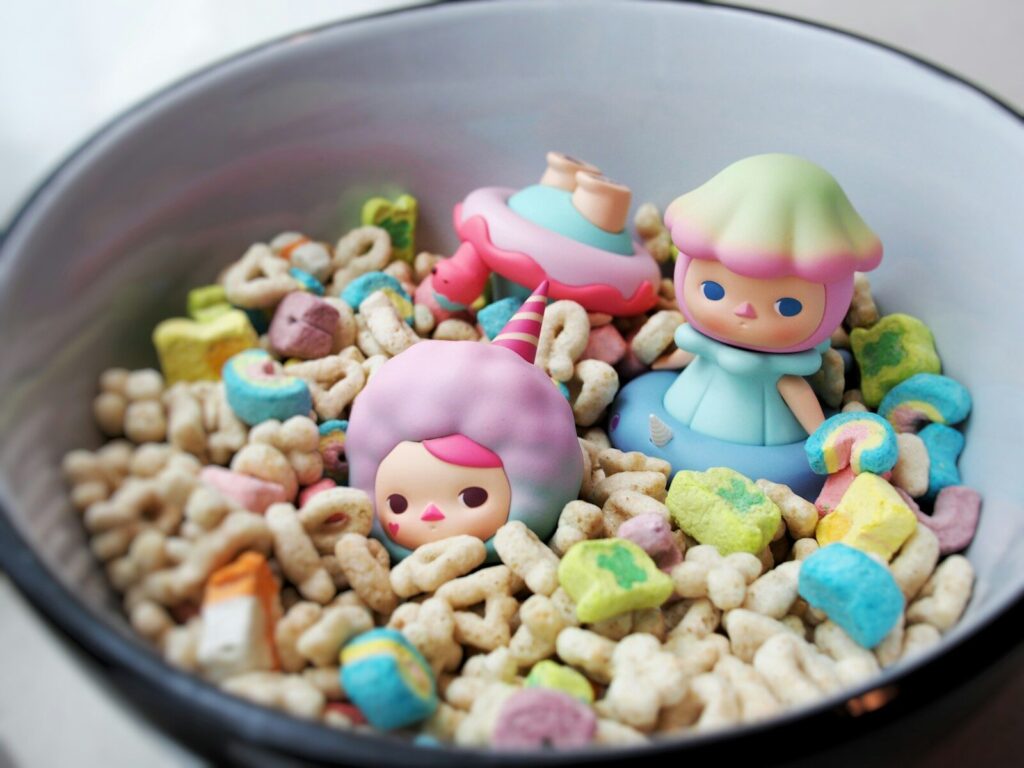
Using dry cereal pieces of various shapes and colors creates an inviting sensory bin for scooping, pouring, and sorting. Adding small bowls and spoons encourages role play and fine motor practice. This bin doubles as a snack option, making it especially handy during snack time or transitions.
Why it stands out: It blends fun with functionality, promoting developmental skills in a familiar context.
Final Thoughts
Exploring sensory bins offers a practical and enjoyable way to keep toddlers engaged, calm, and learning through play. The variety of textures and materials presented in these DIY bins cater to different sensory preferences and developmental stages, making them adaptable for every child’s needs. Whether it’s the tactile delight of water beads or the natural curiosity sparked by outdoor elements, sensory bins provide hands-on opportunities that foster growth and focus.
Creating these bins at home allows caregivers to tailor activities to their toddlers’ interests and abilities while managing costs effectively. The simplicity of these setups means they can be refreshed regularly to maintain novelty and excitement. Incorporating sensory bins into daily routines can transform chaotic moments into peaceful periods of discovery and creativity.
For anyone seeking to offer their toddler meaningful engagement that supports development and independence, these sensory bins are a valuable resource. With a little preparation and creativity, quiet hours filled with learning and fun are well within reach.