
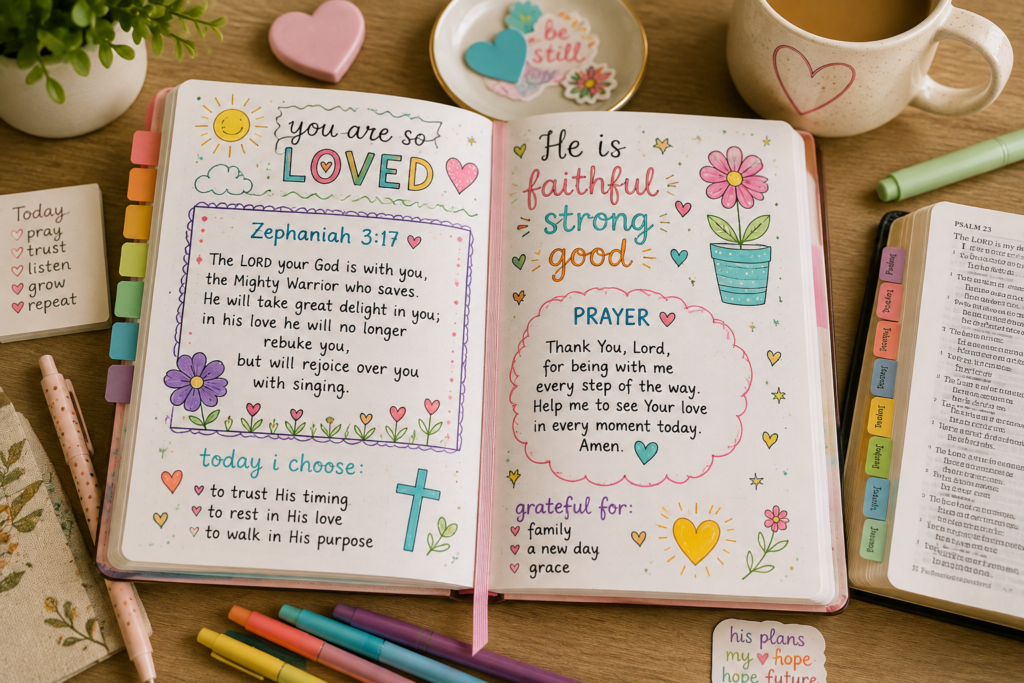
Journaling has long been embraced as a meaningful way to reflect on life and capture personal growth. When combined with faith, journaling becomes a powerful resource for spiritual growth—inviting believers into deeper conversation with God, a clearer understanding of Scripture, and a more intentional walk with Christ. This practice offers a gentle, accessible way to engage with one’s faith story, especially for those who may feel uncertain about where to begin or how to maintain consistent spiritual habits.
Faith-focused journaling is not about religious performance or earning God’s favor; rather, it is a spiritual discipline that encourages openness to the Holy Spirit and grace-filled self-exploration. It provides space to record prayers, insights from Scripture, struggles, and moments of thankfulness—each entry weaving together a tapestry of personal relationship with God. For many, this simple act of writing becomes a comforting rhythm that nurtures spiritual growth over time.
This article will explore what faith-focused journaling looks like, its biblical foundation, practical ways to get started, and how it can serve believers in various seasons of life. The goal is to offer encouragement and clear guidance that makes this spiritual practice approachable and meaningful, no matter where readers are on their faith journey.
What Is Faith-Focused Journaling?
Faith-focused journaling is the intentional practice of recording thoughts, prayers, Scripture reflections, and spiritual experiences in a journal. Unlike general journaling, it centers specifically on one’s relationship with God and growth in faith. This practice creates a sacred space to process emotions, track answered prayers, and wrestle honestly with doubts or challenges.
At its heart, faith-focused journaling is relational, not ritualistic. It is less about checking off a spiritual to-do list and more about creating ongoing dialogue with God. Journals become trusted companions on the Christian journey, capturing both struggles and joys in ways that encourage vulnerability and trust in God’s presence.
Many believers find that writing helps them slow down amid the busyness of life, giving room to listen for the Holy Spirit’s guidance. It can also enhance Scripture engagement by encouraging personal reflection on God’s Word rather than just reading for information. This can deepen understanding and bring Scripture to life in practical, heart-level ways.
Biblical Foundations for Journaling as a Spiritual Practice
Though the Bible does not explicitly command journaling, it offers numerous examples of recording spiritual truths and experiences that show the value of writing in one’s faith life. For instance, the Psalms are essentially ancient songs and prayers written down to express a wide range of emotions—from praise and gratitude to lament and confusion. These writings provide a model for pouring out one’s heart to God honestly and reflectively.
Habakkuk 2:2 (ESV) encourages, “Write the vision; make it plain on tablets, so he may run who reads it.” This verse highlights the importance of making spiritual insights clear and accessible—an idea that resonates with journaling Scripture reflections or prayer requests. Writing can help clarify God’s work in one’s life and keep spiritual goals visible.
The Apostle Paul often recounts his experiences and teachings in letters, which were early forms of journaling or documentation meant to encourage others and preserve spiritual lessons. This practice underscores that recording faith journeys benefits not only oneself but also the wider community of believers.
Ultimately, journaling aligns with the biblical call to remember and meditate on God’s faithfulness (Psalm 77:11-12). It gently supports the discipline of mindfulness in faith, which is nurtured by the Holy Spirit rather than human effort alone.
Practical Ways to Begin Faith-Focused Journaling
Starting a faith journal can feel daunting at first, especially for those unfamiliar with the practice or worried about “doing it right.” The key is to approach journaling as a tool for grace-filled growth—not perfection. Here are some practical steps to begin:
- Choose a Journal That Invites You In: Whether a simple notebook or a beautifully bound journal, pick something that feels inviting. The goal is to create a space where writing feels natural and personal.
- Set Realistic Expectations: Journaling doesn’t have to be daily or lengthy. Even a few sentences or bullet points can be meaningful. It’s better to write sporadically with honesty than to feel pressured to produce perfect entries.
- Start with Prayer: Begin each journaling session by asking the Holy Spirit to guide thoughts and reveal what God wants to teach. This helps center the practice in relationship rather than routine.
- Reflect on Scripture: Use a verse or passage as a prompt. Write down what stands out, questions that arise, or ways to apply it. This step can deepen understanding without requiring complex Bible study methods.
- Record Prayers and Praises: Journaling prayers keeps track of requests and moments of gratitude. It’s encouraging to look back and see how God has answered or provided.
- Write Honestly About Struggles: Faith growth includes challenges. Journaling provides a safe place to express doubts, fears, or frustrations without shame, inviting God’s comfort and guidance.
- Include Moments of Thankfulness: Writing about daily blessings helps cultivate a heart of gratitude, which Scripture consistently encourages (1 Thessalonians 5:18).
- Allow Flexibility: Some days may invite longer reflections; others might be brief notes or doodles. The practice should adapt to personal rhythms and seasons.
How Faith-Focused Journaling Supports Spiritual Growth
Faith-focused journaling nurtures spiritual growth by making the invisible work of the Spirit more visible and tangible. It encourages intentionality, self-awareness, and dependence on God in ways that reading or prayer alone may not. Here are several ways journaling can support growth:
- Encourages Consistent Reflection: Writing regularly cultivates a habit of pausing to reflect on God’s activity and presence in daily life, helping believers notice spiritual progress and areas needing attention.
- Deepens Scripture Engagement: Putting Scripture into one’s own words or noting personal responses makes the Bible more relatable and memorable.
- Strengthens Prayer Life: Journaling prayers helps clarify requests and emotions, making prayer more focused and heartfelt.
- Provides a Record of God’s Faithfulness: Over time, journals become testimony to God’s work and steadfast love, encouraging perseverance through difficult seasons.
- Offers Emotional and Spiritual Release: Writing can be cathartic, offering a way to process complex feelings in light of God’s truth and grace.
- Invites Holy Spirit Guidance: The quiet, reflective nature of journaling creates space to listen and respond to the Spirit’s prompting.
Importantly, journaling is a discipline that flows from grace and relationship, not a checklist to earn God’s approval. It reminds believers that spiritual growth happens over time, often in small, quiet steps.
Encouragement for Different Seasons and Circumstances
Faith-focused journaling is adaptable for every stage of the Christian life. Beginners can start with simple prompts or prayer lists, while mature believers might use journaling for deeper theological reflection or ministry planning. Life seasons—whether joyful, challenging, busy, or restful—will influence how much time and energy journaling receives.
It’s normal for journaling habits to ebb and flow. Rather than feeling discouraged during dry or busy seasons, believers can offer themselves grace and trust that God’s Spirit continues to work even when journaling pauses. Returning to journaling after a break can be a sweet reminder of God’s patience and presence.
When emotions run high or spiritual confusion arises, journaling can be a gentle companion, providing space to bring those feelings before God without fear. It’s a practice that honors where a person is today and invites growth at a sustainable, loving pace.
Final Thoughts
Faith-focused journaling opens a heartfelt doorway into spiritual growth by combining Scripture, prayer, and honest reflection in a personal, accessible way. Rooted in biblical examples and empowered by the Holy Spirit, it supports believers in cultivating a closer relationship with Christ—not through performance but through grace-filled dialogue.
This practice encourages consistent reflection, deepens engagement with God’s Word, strengthens prayer, and provides a tangible record of God’s faithfulness over time. Most importantly, it meets people where they are, offering flexibility and compassion for every season and circumstance.
For those wondering how to begin or seeking to rekindle their spiritual habits, faith-focused journaling offers a gentle, meaningful step forward—one that invites openness, patience, and trust in God’s ongoing work in the heart. It’s a simple, beautiful way to nurture the soul and grow in grace.