
Toddlers are in a unique stage of rapid growth and discovery, where every experience shapes their understanding of the world and themselves. Among the many tools parents and caregivers can use to support this development, music and movement hold a special place. These activities not only bring joy and connection but also play a vital role in nurturing various aspects of a toddler’s growth.
Incorporating music and movement into daily routines offers a gentle yet powerful way to encourage cognitive skills, motor development, and emotional expression. This article explores how these simple, accessible activities can benefit toddlers and provides practical ideas for weaving them naturally into everyday life.
How Music Supports Toddler Development
Music opens a window to language, memory, and social skills for young children. When toddlers listen to songs, they begin to recognize patterns, rhythms, and sounds that lay the groundwork for later language acquisition. Singing nursery rhymes or simple songs with repetitive phrases helps build vocabulary, even before toddlers can speak clearly.
Engaging with music also encourages auditory discrimination—the ability to notice subtle differences in sounds. This skill is critical for understanding spoken language and contributes to later reading readiness. Moreover, music can enhance memory as toddlers learn to anticipate lyrics or melodies, thereby strengthening neural pathways associated with learning.
Beyond cognitive benefits, music fosters social bonding. Group singing or musical play invites toddlers to interact with caregivers and peers, developing their sense of connection and cooperation. The joy of making music can boost mood and reduce fussiness, creating a peaceful atmosphere in busy households.

The Role of Movement in Physical and Emotional Growth
Movement is a toddler’s natural language of exploration. As they toddle, jump, or sway to music, they hone their gross motor skills, balance, and coordination. These physical abilities are foundational for everyday tasks like walking up stairs, climbing, and eventually running or riding a bike.
In addition to physical development, movement allows toddlers to express emotions as their language is still developing. Dancing freely to a favorite tune can be a joyful release or a way to calm down after a busy day. It also nurtures body awareness and confidence as toddlers discover what their bodies can do.
Incorporating movement with music can make exercise feel playful rather than like a chore. This fosters a positive attitude toward physical activity that can last a lifetime. Furthermore, movement paired with rhythm enhances timing and sequencing skills, important for both cognitive and motor development.
Practical Ways to Encourage Music and Movement at Home
Creating opportunities for music and movement doesn’t require special equipment or elaborate plans. Small, simple steps can make a meaningful difference and fit easily into everyday life.
- Sing Along During Routine Moments: Use familiar songs during bath time, diaper changes, or while getting dressed. This adds a playful rhythm to daily tasks and engages toddlers’ attention.
- Play a Variety of Music Styles: Introduce different genres, from lullabies to upbeat tunes, exposing toddlers to a wide range of sounds and tempos. Notice what naturally draws their interest.
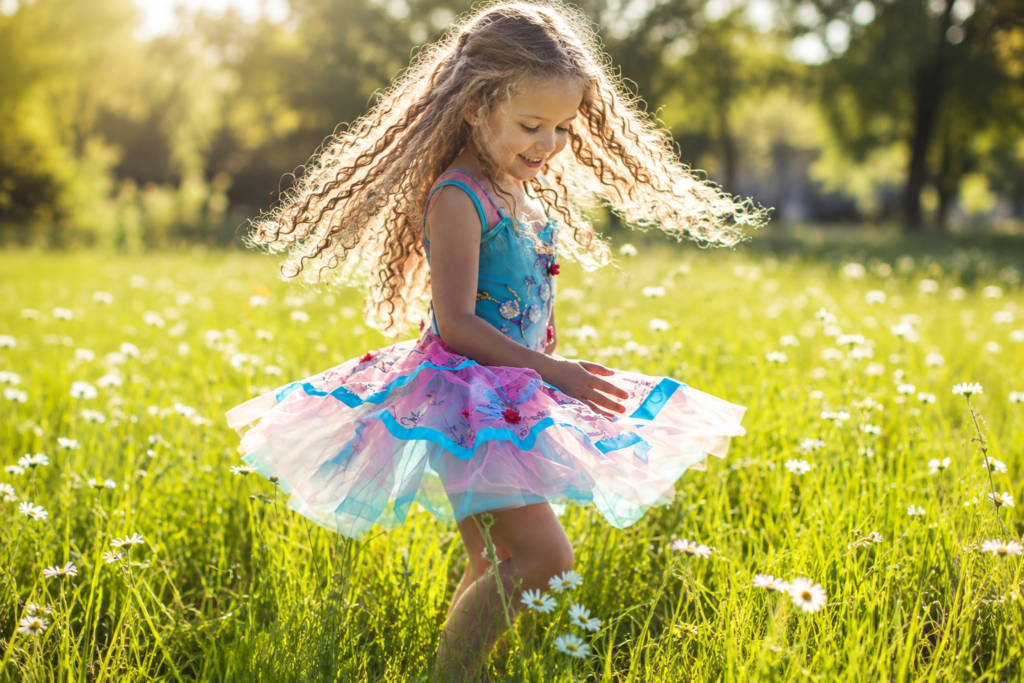
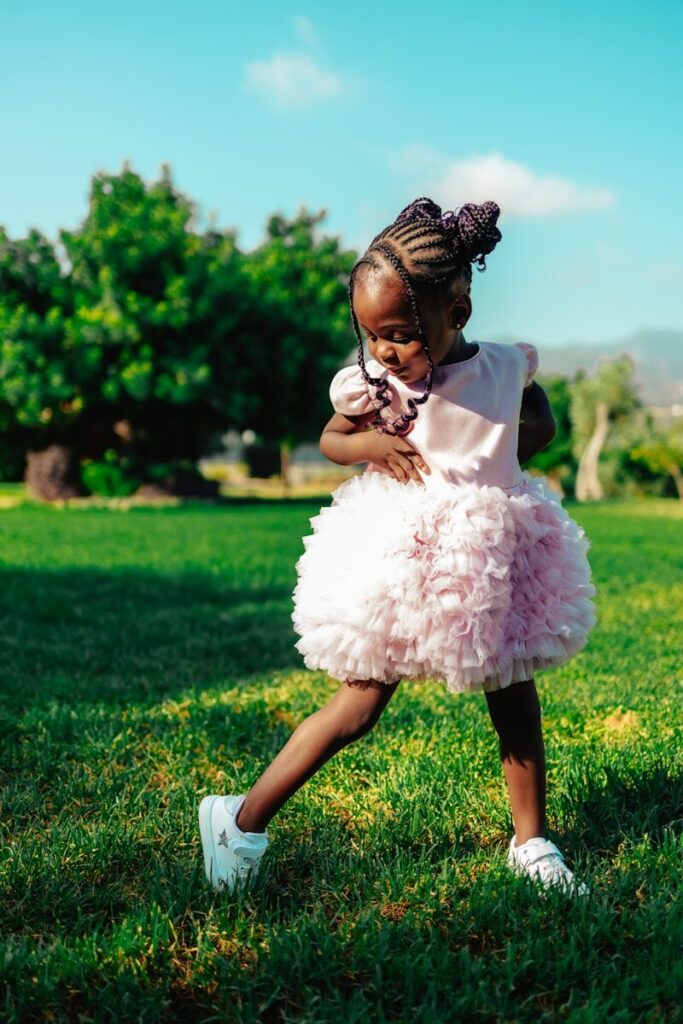
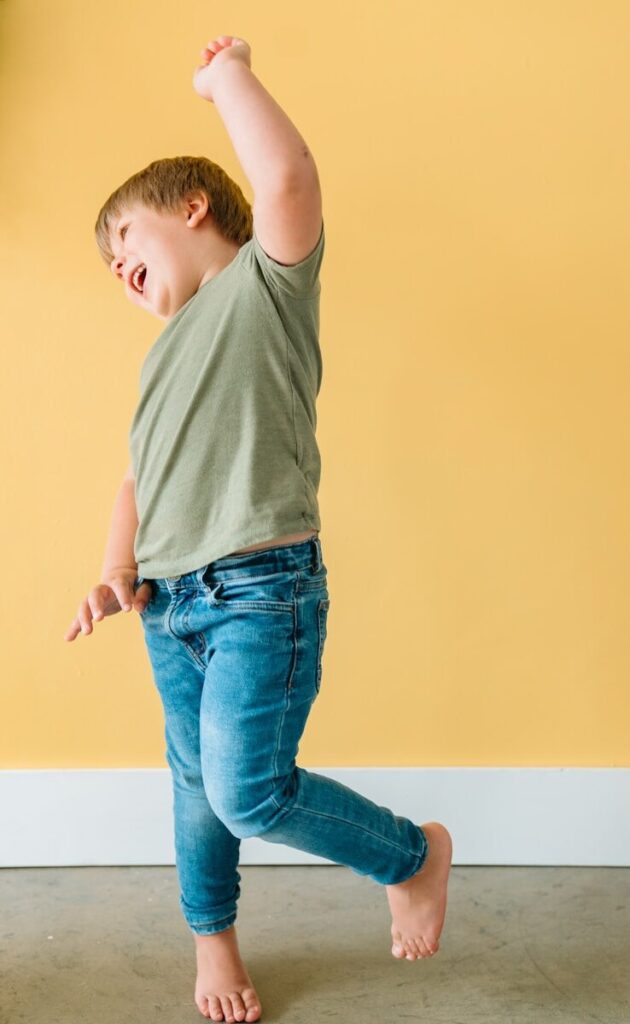
- Encourage Dancing and Movement: Invite toddlers to move however they like—jumping, twirling, clapping, or marching in place. Follow their lead and join in to create joyful moments together.
- Use Simple Instruments: Items like shakers, drums, or even pots and wooden spoons can encourage toddlers to experiment with making sounds, fostering creativity and hand-eye coordination.
- Create a Music and Movement Space: Dedicate a small, safe area for active play and music exploration. This helps toddlers connect those activities with fun and freedom.
It’s important to remember that not every child will respond the same way to music and movement. Some may prefer quieter activities or slower tempos. Respecting individual preferences and allowing toddlers to guide their participation helps keep these experiences positive and stress-free.
Final Thoughts
Music and movement offer a gentle yet rich pathway to support toddlers’ development in many areas—from language and memory to coordination and emotional expression. These activities fit naturally into daily life, providing moments of connection, joy, and learning without pressure or complex planning.
By simply singing familiar songs, encouraging free movement, and offering opportunities to explore sounds, caregivers can nurture essential skills while creating warm memories. This approach honors each child’s unique rhythm and growth pace, inviting them to flourish in their own time.
In the beautiful mess of toddlerhood, music and movement can be steady companions—easy to welcome, deeply enriching, and wonderfully fun. Taking a few moments each day to dance, sing, or tap along may feel small, but it carries a lasting gift for a child’s journey ahead.