
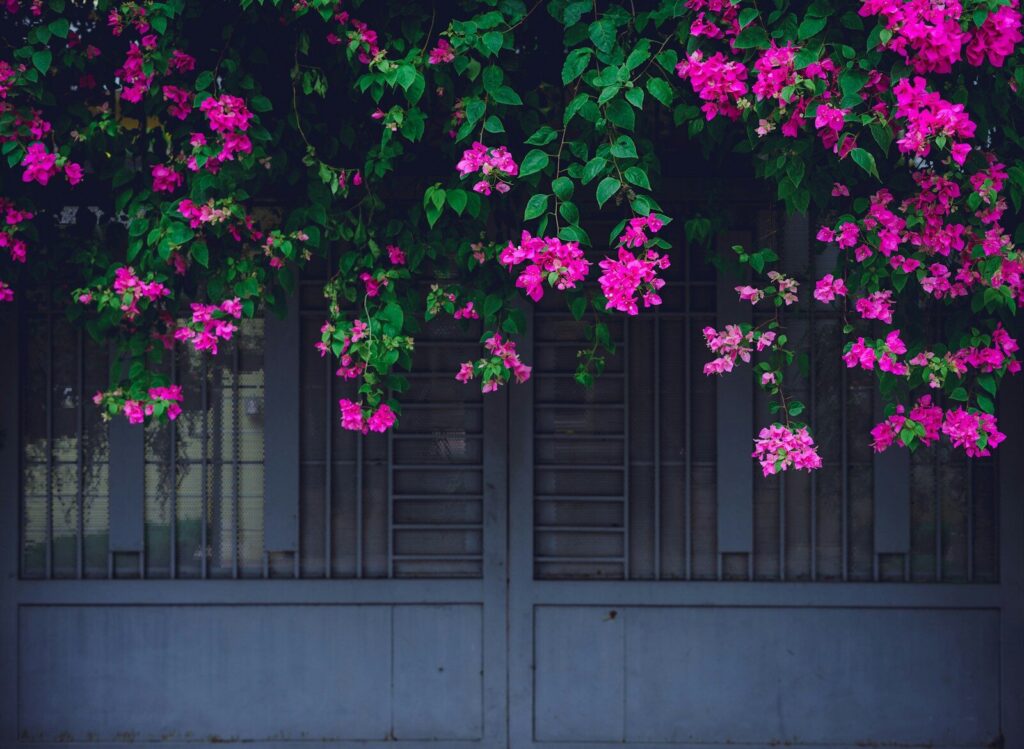
Adding vertical interest and lush greenery to a flowerbed can be challenging, especially when space is limited or when aiming to create a dynamic garden design. Perennial vines offer an ideal solution by climbing trellises, fences, or walls, providing continuous growth and color year after year. Selecting the right perennial vines for flowerbeds can enhance their texture, fill gaps, and attract pollinators, all while requiring relatively low maintenance.
Finding vines that complement existing plants in a flowerbed requires attention to their growth habits, bloom time, and compatibility with the local climate. The following list explores thirteen perennial vines widely appreciated for their ability to bring depth and vibrancy to garden beds, with options suitable for various styles and conditions.
~ Shop for Honeysuckle at Lowes
1. Bougainvillea
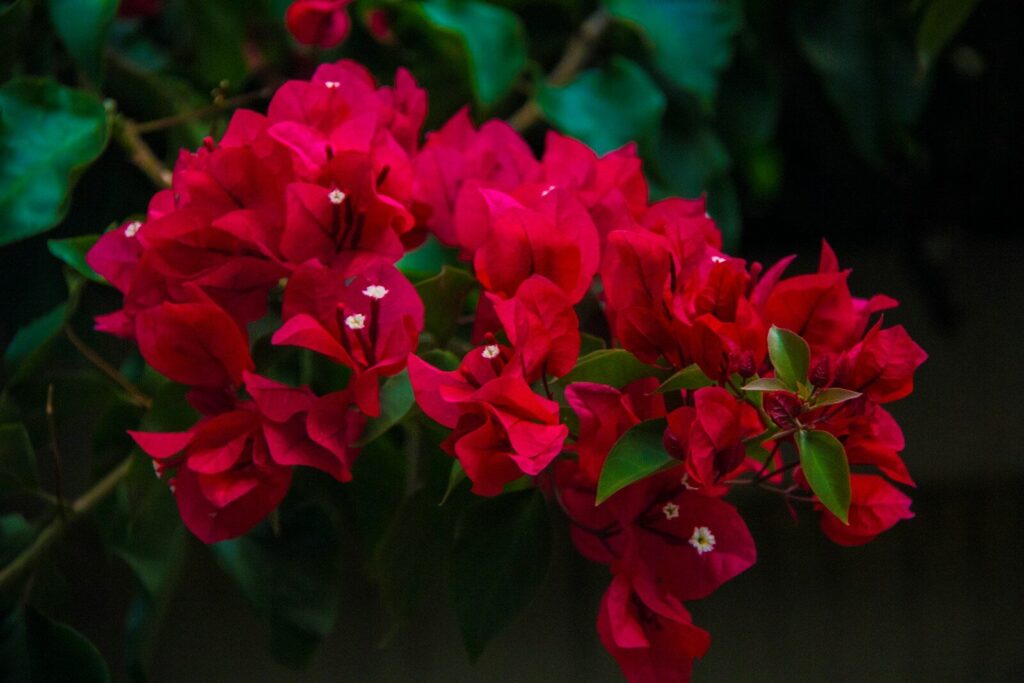
Bougainvillea is a striking vine known for its vibrant bracts that come in shades of magenta, purple, and orange. It thrives in warm climates and is perfect for gardeners seeking a bold splash of color against fences or walls. This vine is drought-tolerant once established and grows vigorously, making it an excellent choice for quickly covering large areas.
Why it stands out: Bougainvillea delivers long-lasting color and dense coverage, transforming flowerbeds into lively, eye-catching displays with minimal watering needs.
2. Coral Vine (Queen’s Wreath)
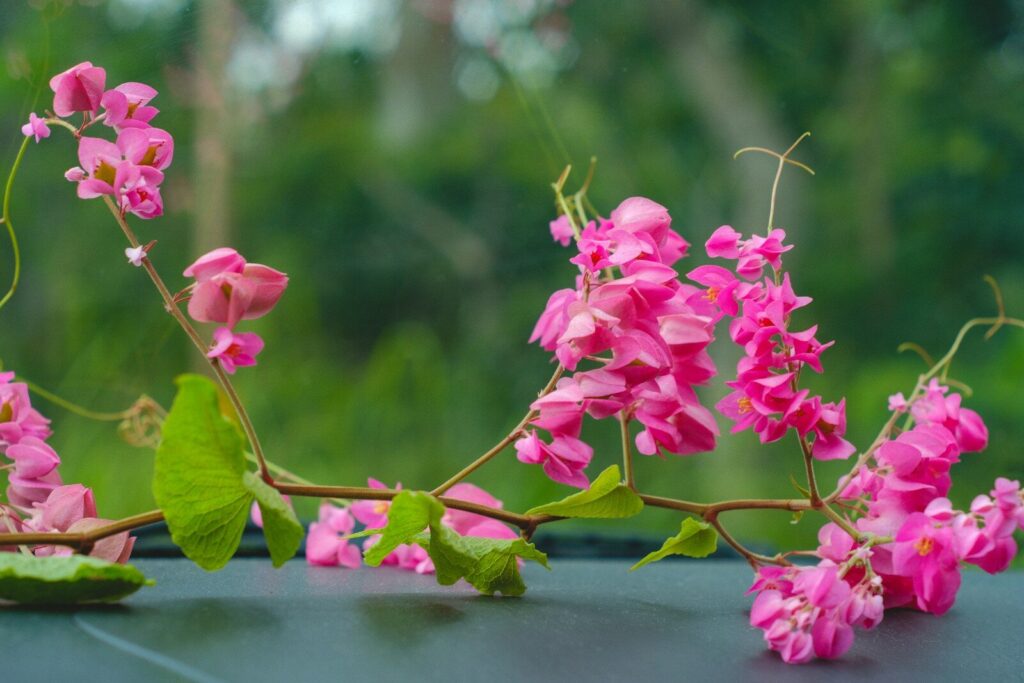
The Coral Vine, or Queen’s Wreath, features delicate, fern-like foliage and cascading clusters of small, coral-pink flowers. It can tolerate partial shade and is well-suited for trellises or pergolas near flowerbeds. This vine attracts butterflies and hummingbirds, adding movement and life to garden spaces.
Why it stands out: It enhances flowerbeds by combining attractive foliage with abundant blooms that attract pollinators, enriching the garden ecosystem.
3. Cross Vine
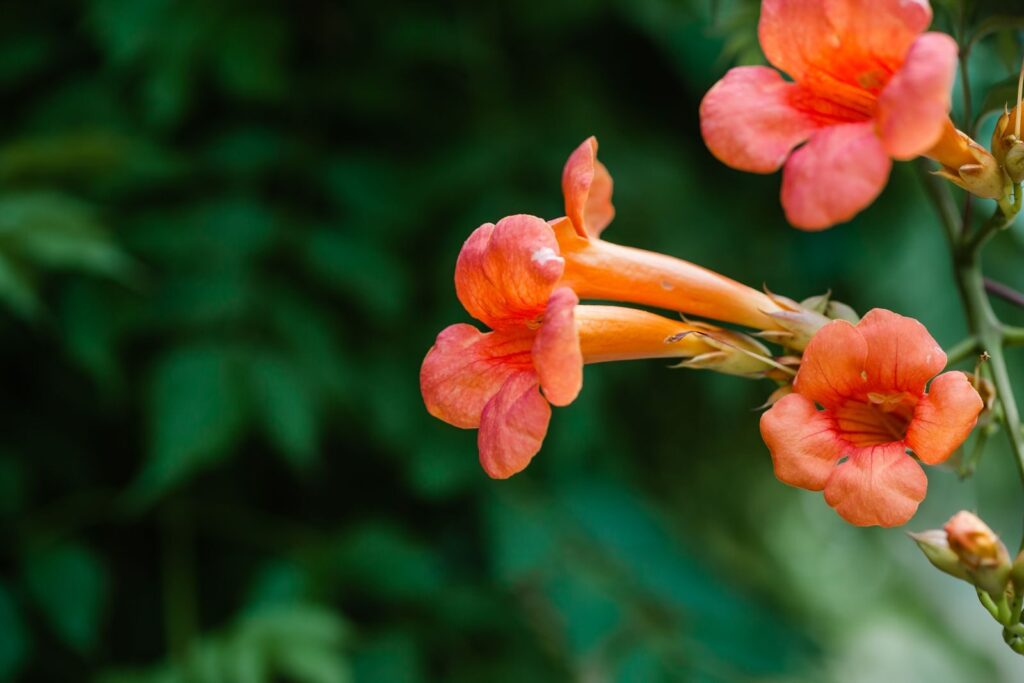
Cross Vine is recognized for its trumpet-shaped orange-to-red flowers and glossy green leaves. It is a fast grower, ideal for quickly covering unsightly structures or fences adjacent to flowerbeds. This vine thrives in sun to part shade and is notably deer-resistant, which is helpful in areas with wildlife.
Why it stands out: Cross Vine adds vertical drama with its vibrant flowers while providing a protective barrier against deer and helping preserve other delicate plants.
4. Trumpet Vine
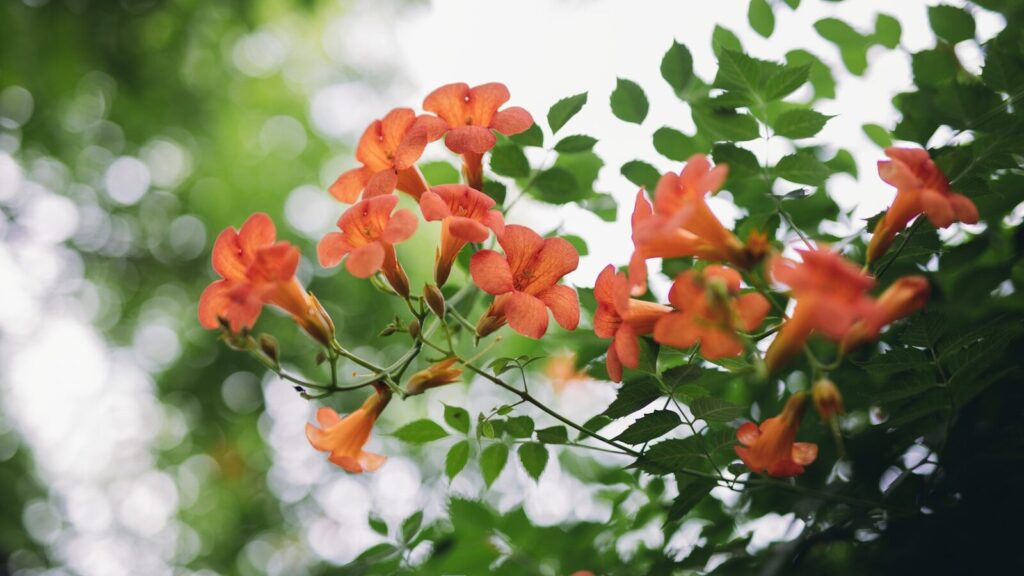
Trumpet Vine offers prolific clusters of large, tubular orange flowers that attract hummingbirds in abundance. It is a hardy, vigorous grower that can cover walls or trellises with ease. While it requires occasional pruning to keep it in check, its showy blooms and dense foliage make it a favorite for gardeners wanting bold visual impact.
Why it stands out: Its hummingbird appeal and rapid coverage make it a dynamic addition to flowerbeds needing height and color.
5. Mexican Flame Vine
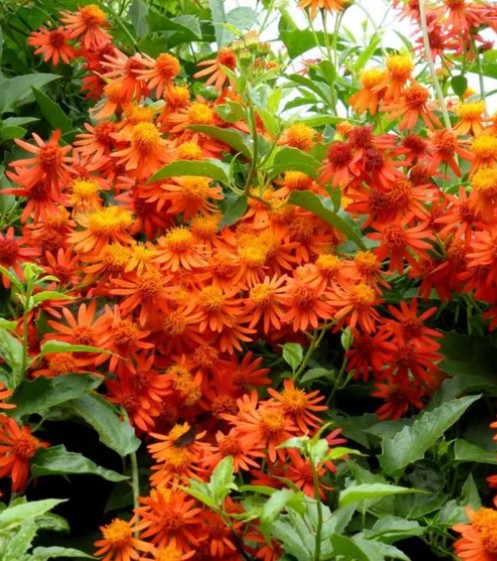
Mexican Flame Vine produces bright red-orange flowers and feathery foliage that provide a tropical flair to flowerbeds. It flourishes in warm climates and full sun, making it a great choice for adding heat and vibrancy. This vine is moderately fast-growing and can be trained on trellises or fences.
Why it stands out: It brings a fiery burst of color and a lush texture that livens up any garden area with a warm climate.
6. Passion Flower / Passion Vine
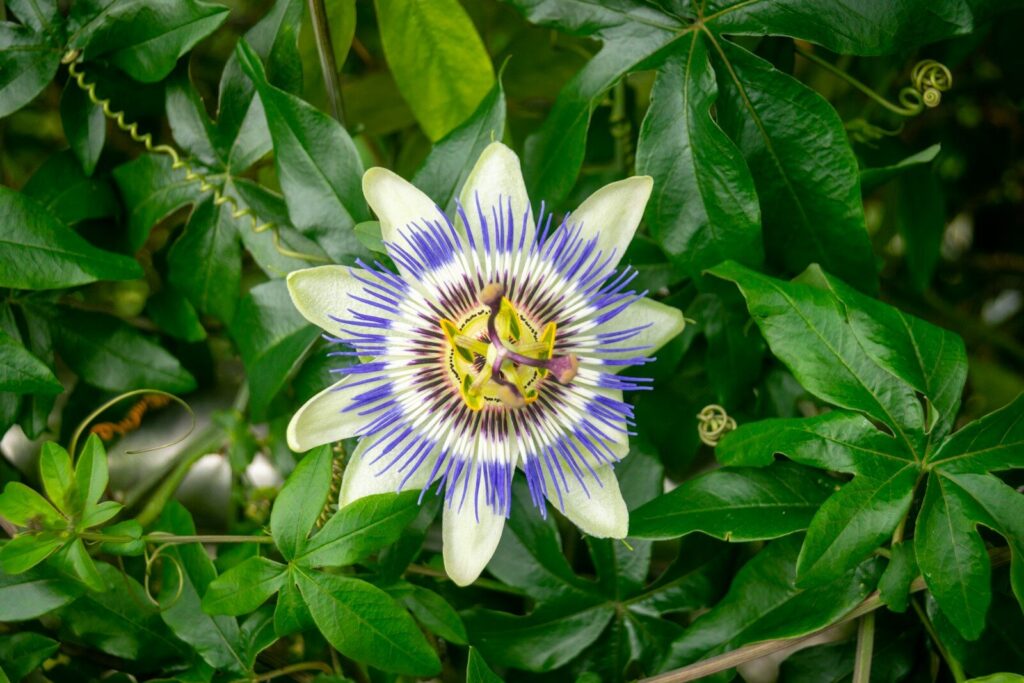
Known for its intricate, exotic-looking flowers, Passion Vine offers both ornamental appeal and wildlife benefits. The vine attracts butterflies and hummingbirds while adding unique floral interest with its complex blooms. It adapts well to various climates and can be used to cover walls or arbors near flowerbeds.
Why it stands out: The Passion Flower’s exotic appearance and pollinator-friendly nature make it a standout feature that supports garden biodiversity.
7. Coral Honeysuckle
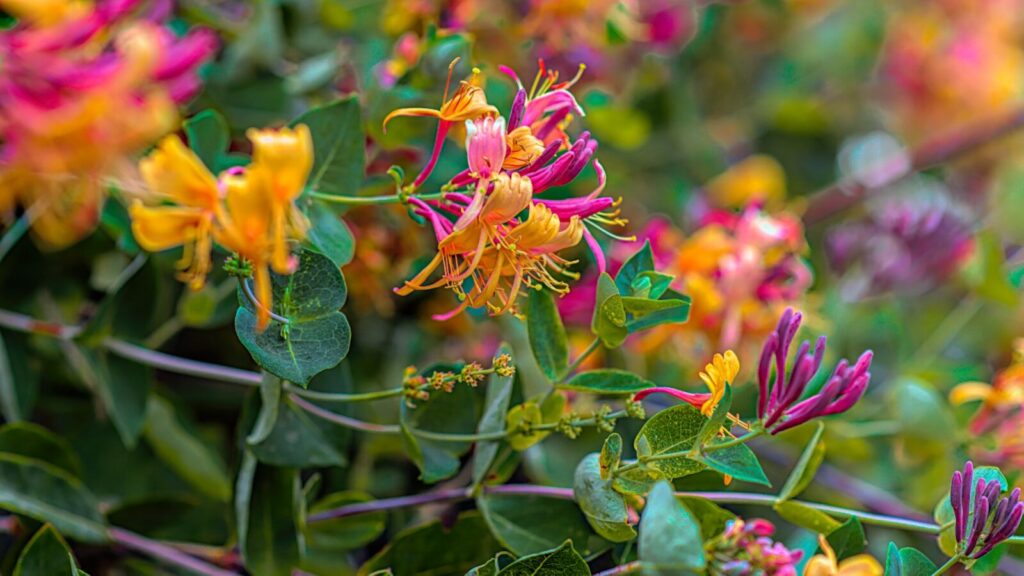
Coral Honeysuckle is a fragrant, fast-growing vine that produces clusters of coral to pink tubular flowers. It prefers full sun to partial shade and is suitable for covering fences or trellises close to flowerbeds. This vine attracts hummingbirds and butterflies while offering a sweet scent that enhances outdoor spaces.
Why it stands out: Its fragrant blooms and pollinator attraction enrich the sensory experience of a garden while providing quick coverage.
8. Virginia Creeper
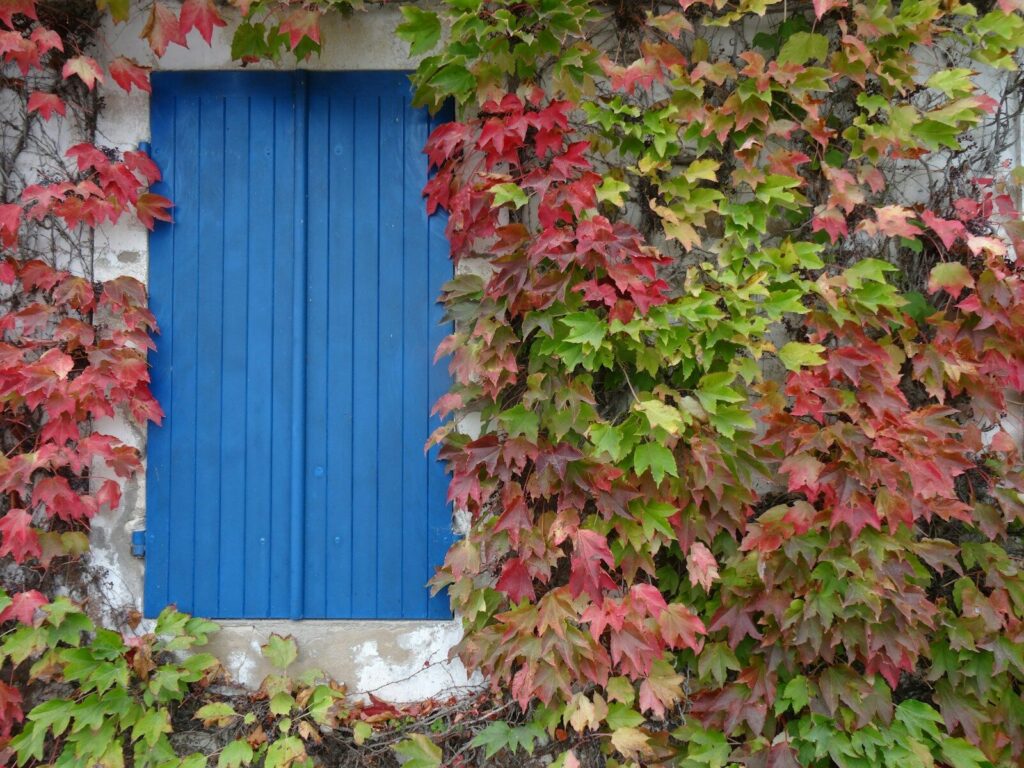
Virginia Creeper is a hardy, deciduous vine recognized for its five-lobed leaves that turn brilliant red in the fall. It tolerates a wide range of soil types and light conditions, making it versatile for many garden settings. This vine is excellent for adding seasonal interest and dense coverage along walls or fences.
Why it stands out: Its vibrant fall color and adaptability make it a budget-friendly way to add year-round visual appeal and privacy.
9. Star Jasmine
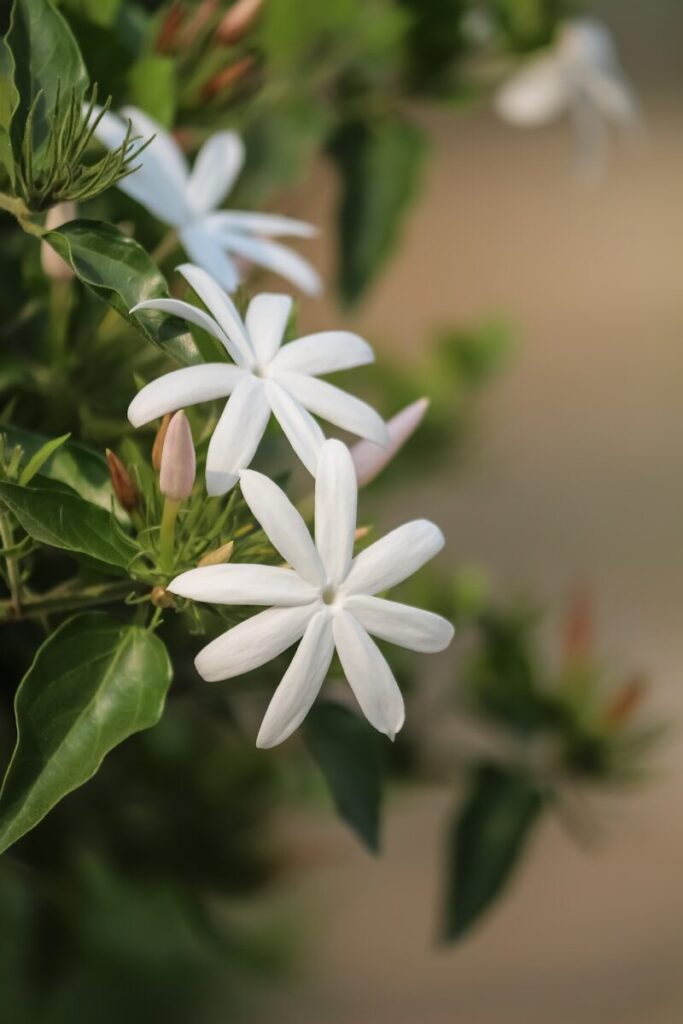
Star Jasmine is prized for its glossy evergreen leaves and fragrant white star-shaped flowers. It performs well in warm climates and grows steadily on trellises or garden walls. This vine adds a clean, elegant look to flowerbeds and is often used to create fragrant garden borders.
Why it stands out: The combination of evergreen foliage and sweet fragrance makes it a refined, low-maintenance choice for enhancing flowerbeds.
10. Carolina Jessamine
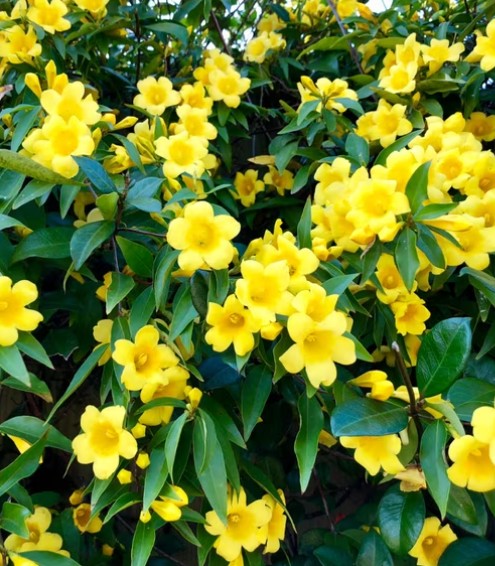
Carolina Jessamine features bright yellow, trumpet-shaped flowers that bloom in early spring. It is a hardy, semi-evergreen vine that thrives in sun to part shade and is well-suited for trellises or fences near flowerbeds. Its early blooms provide valuable nectar when few other plants are in bloom.
Why it stands out: It extends the garden’s flowering season, providing early color and nourishment for pollinators.
11. Wisteria / Japanese Wisteria
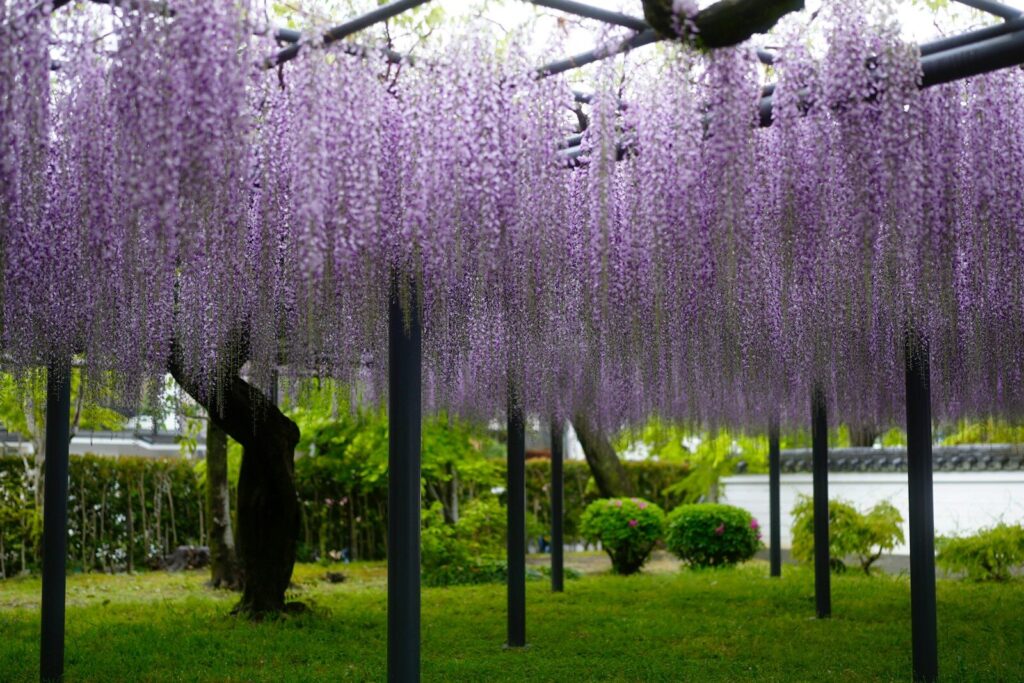
Wisteria is famous for its cascading clusters of fragrant purple or white flowers that create a stunning floral curtain. It is a vigorous climber that can cover pergolas, fences, or walls adjacent to flowerbeds. Wisteria requires sturdy support and routine pruning to manage its growth.
Why it stands out: Its spectacular floral displays add an elegant, romantic atmosphere while providing shade and structure.
12. Dipladenia
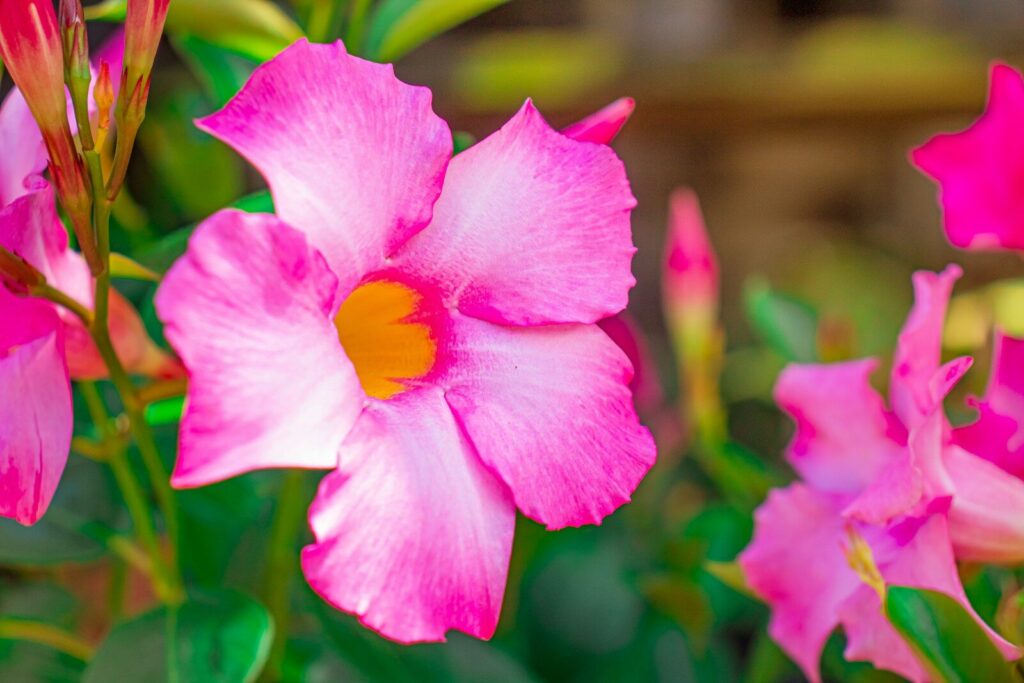
Dipladenia is a tropical vine with glossy leaves and trumpet-shaped flowers in shades of red, pink, or white. It thrives in warm, sunny locations and is relatively drought-tolerant once established. The vine’s compact growth habit makes it suitable for smaller spaces or containers near flowerbeds.
Why it stands out: Its vibrant blooms and manageable size make it ideal for gardeners seeking color without overwhelming their garden design.
13. Arabian Jasmine & Common Jasmine
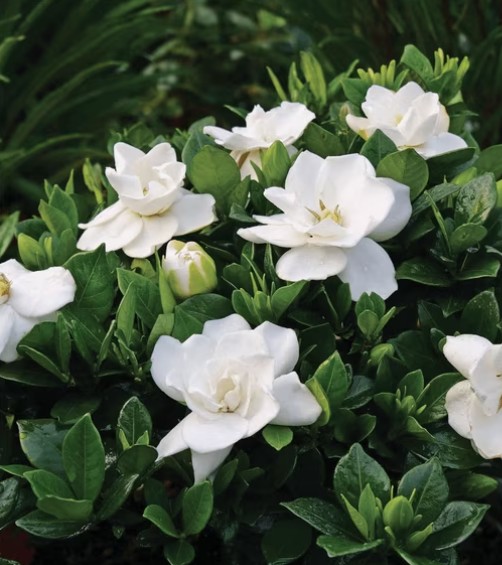
Arabian Jasmine and Common Jasmine are known for their intensely fragrant white flowers and glossy green foliage. These vines can be trained on trellises or used as ground cover near flowerbeds. They flourish in warm climates and lend a timeless scent to outdoor living areas.
Why it stands out: Their intoxicating fragrance and elegant blooms create a calming ambiance that complements many garden styles.
Final Thoughts
Selecting perennial vines to complement flowerbeds offers gardeners the chance to introduce vertical interest, continuous blooms, and additional textures without expanding the garden’s footprint. Each vine discussed here brings unique attributes, from vibrant colors and enticing fragrances to wildlife attraction and seasonal variation. Choosing the right vine ultimately depends on the garden’s climate, space, and desired aesthetic.
These perennial vines are popular choices because they enhance flowerbeds with relatively low maintenance and long-lasting appeal. Incorporating one or more into a garden can provide structure, cover bare spots, and create inviting spots for pollinators and beneficial wildlife. With thoughtful placement and care, these vines can transform flowerbeds into dynamic, multi-dimensional garden spaces.
For those looking to enrich their gardens, exploring these perennial vines is a practical step that combines beauty and functionality. Whether aiming for bold colors, fragrant blossoms, or seasonal interest, these options offer dependable solutions that elevate garden design and enjoyment.
You Might Also Enjoy
- Believing That God’s Grace and Forgiveness Include You
- How to Build a Quiet Time That Actually Works
- Simple Ways to Strengthen Your Prayer Life Daily
Affiliate note: This article may contain affiliate links. If you purchase through these links, we may earn a small commission at no additional cost to you.