
Creating perennial flowerbeds that bloom beautifully throughout the year is a satisfying challenge for gardeners in Texas. The state’s diverse climate zones—from hot, dry regions to milder, humid areas—demand plants that can endure seasonal swings while providing lasting color and texture. Choosing the right mix of hardy perennials is essential for crafting flowerbeds that offer consistent appeal from spring through fall.
This guide explores 15 perennial flowers and plants well-suited to Texas gardens, emphasizing their strengths in different settings. From bold, drought-tolerant options to softer, shade-friendly varieties, these selections help gardeners maintain vibrant, eye-catching beds year-round without constant replanting. Whether addressing sunny front yards or shaded borders, these plants combine resilience with seasonal interest.
~ Shop for Perennials at Lowes
1. Salvia
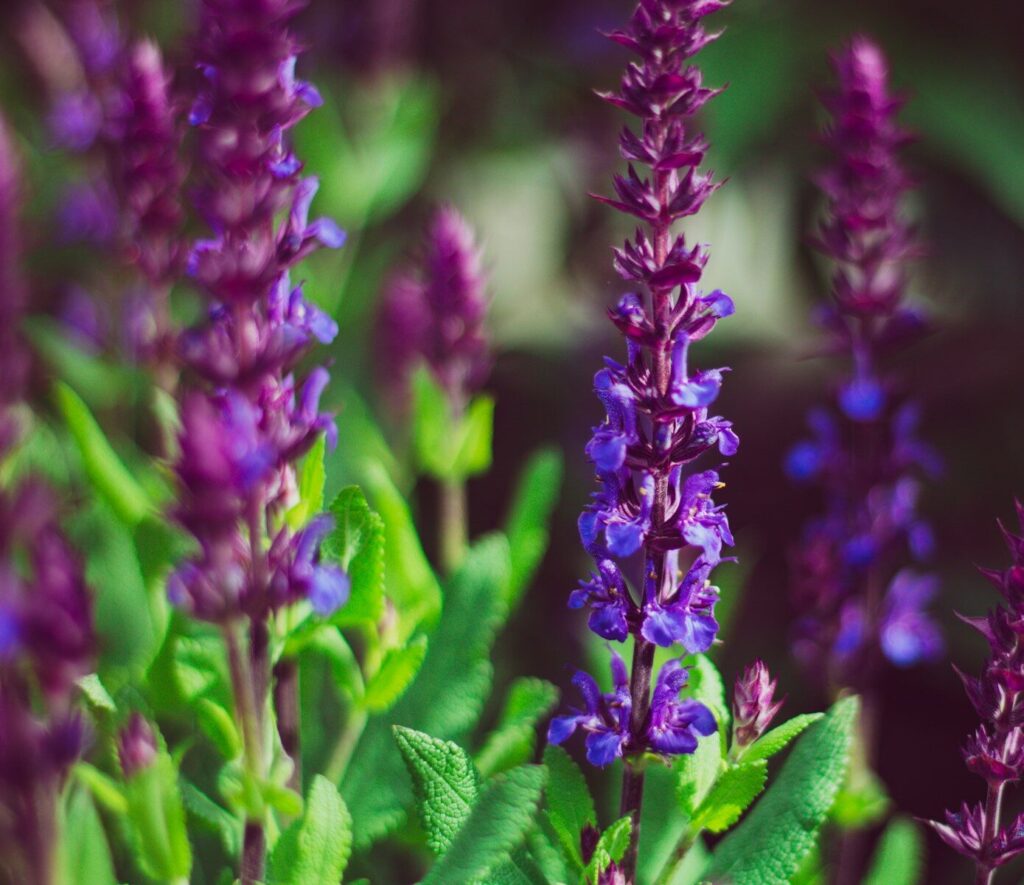
Salvia is a versatile perennial that thrives in Texas heat, attracting pollinators such as hummingbirds and butterflies. Its spikes of colorful blooms range from blues to reds, adding vertical interest to flowerbeds. Salvia tolerates drought well and requires minimal maintenance once established, making it ideal for gardeners seeking low-effort beauty.
Why it stands out: Salvia’s ability to flourish in hot, dry conditions while providing long-lasting flowers helps maintain garden vibrancy with little water or fuss.
2. Sedum
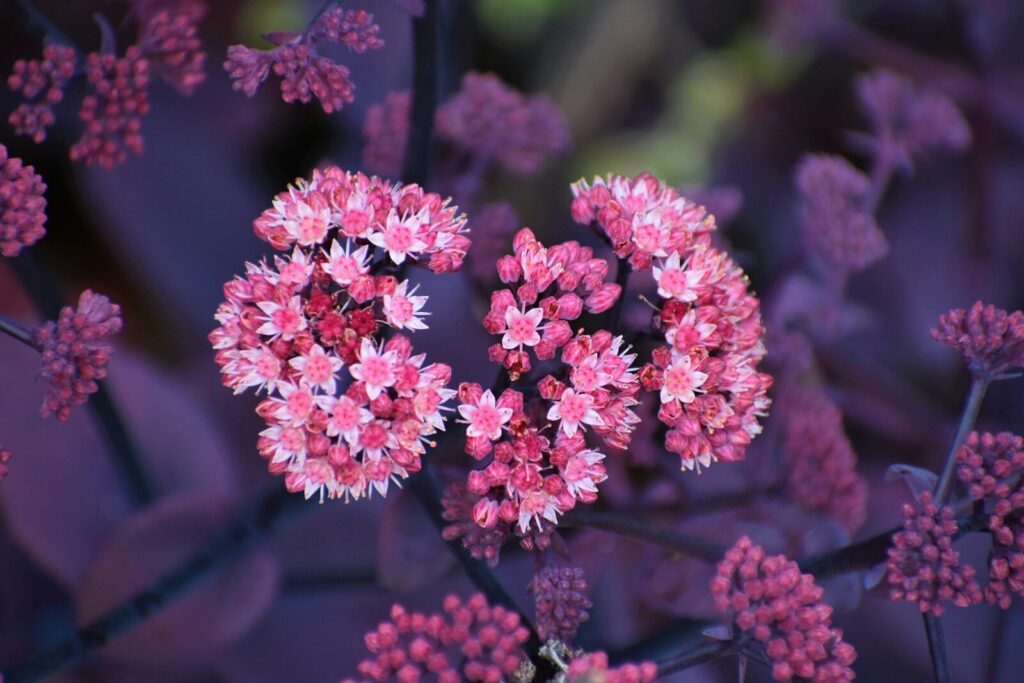
Sedum, also known as stonecrop, is a succulent that performs well in well-drained soils and sunny locations common in Texas. Its fleshy leaves store water, allowing it to endure drought spells, and clusters of star-shaped flowers attract bees. Sedum’s low growth habit suits borders and rock gardens, contributing texture and color late into the season.
Why it stands out: Sedum’s drought resistance and extended flowering period make it a dependable choice for sustained color in dry or sunny spots.
3. Coneflower / Echinacea
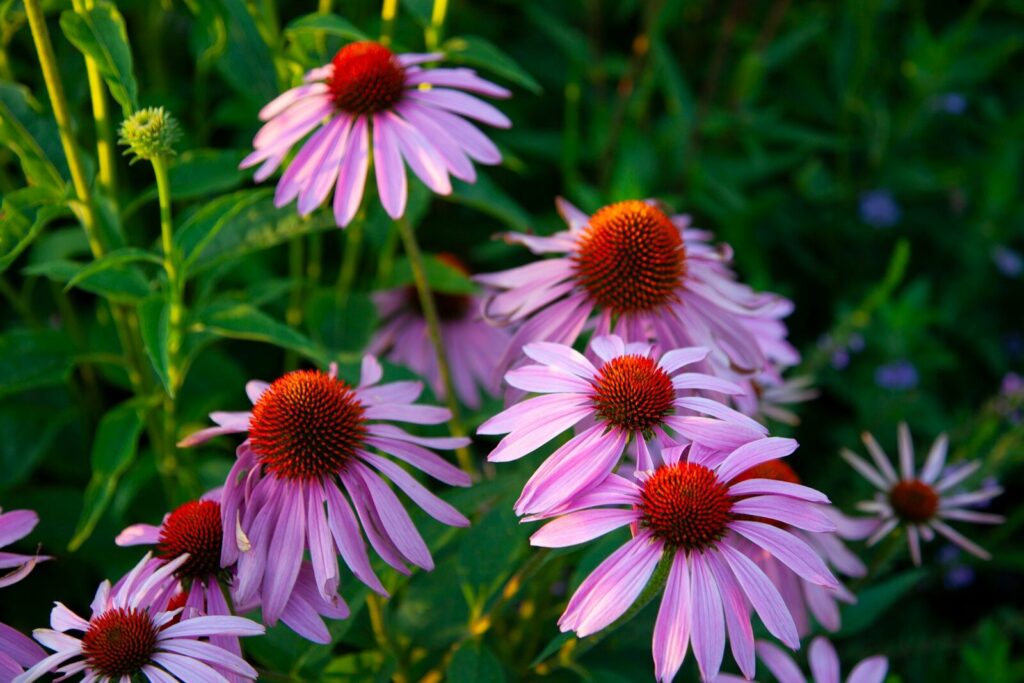
Coneflowers are popular for their daisy-like appearance with raised centers and sturdy stems. They tolerate heat and drought, flourishing even in poor soils. Coneflowers are also attractive to pollinators and produce seed heads that add winter interest. Their adaptability makes them a staple for Texas perennial beds seeking reliable blooms.
Why it stands out: Coneflowers combine ease of care with vibrant colors and wildlife appeal, helping gardeners create lively, sustainable landscapes.
4. Black-eyed Susan
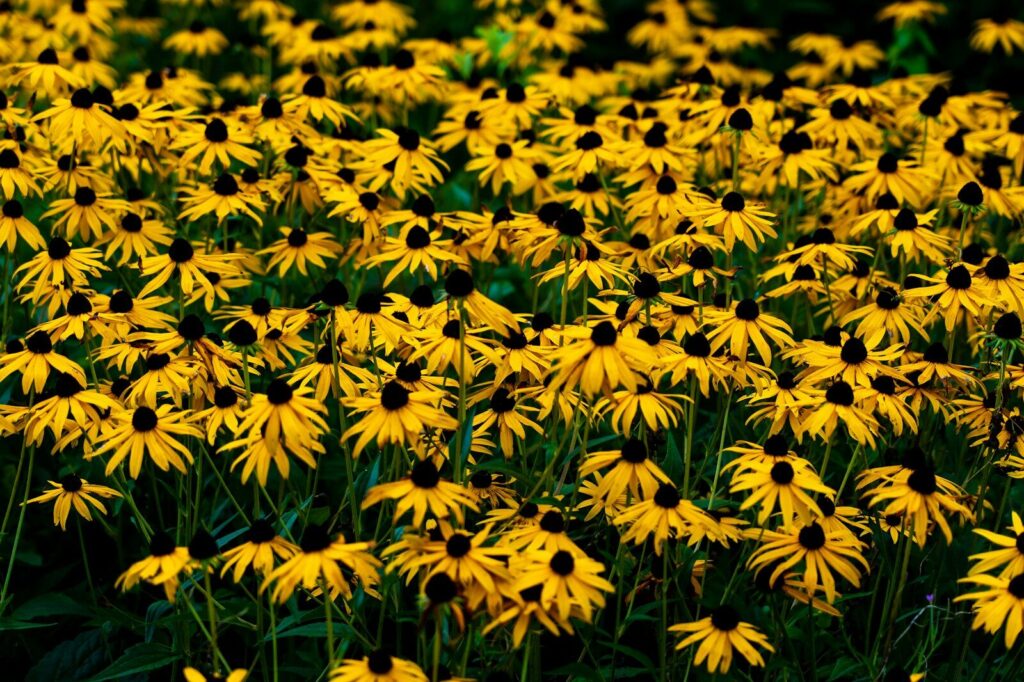
Black-eyed Susans feature cheerful yellow petals surrounding dark centers, brightening landscapes from early summer onward. They grow well in full sun and tolerate drought once established. Their upright form and extended bloom time make them effective for mass plantings and naturalized areas.
Why it stands out: Their affordability and robust growth habit let gardeners fill beds with abundant, long-lasting color without high maintenance.
5. Yarrow
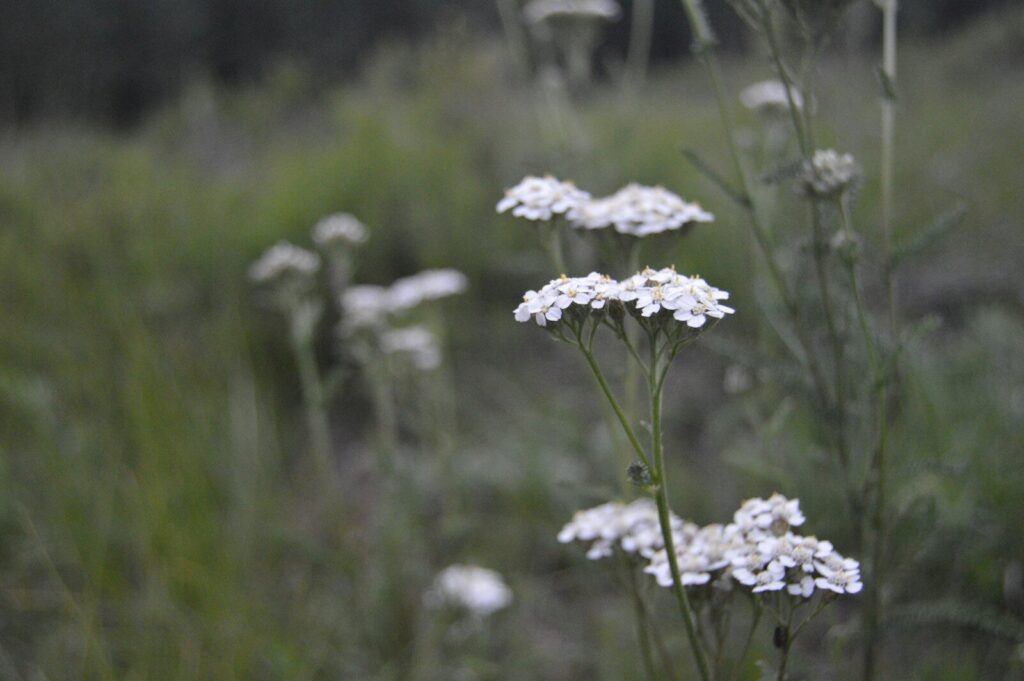
Yarrow is a hardy perennial with flat-topped clusters of small flowers in shades from white to red. It thrives in hot, dry conditions and poor soils. Yarrow’s finely textured foliage adds a soft backdrop to other plants, and it requires little watering after establishment.
Why it stands out: Yarrow’s toughness and unique flower shape provide both resilience and textural contrast in varied garden settings.
6. Gaillardia
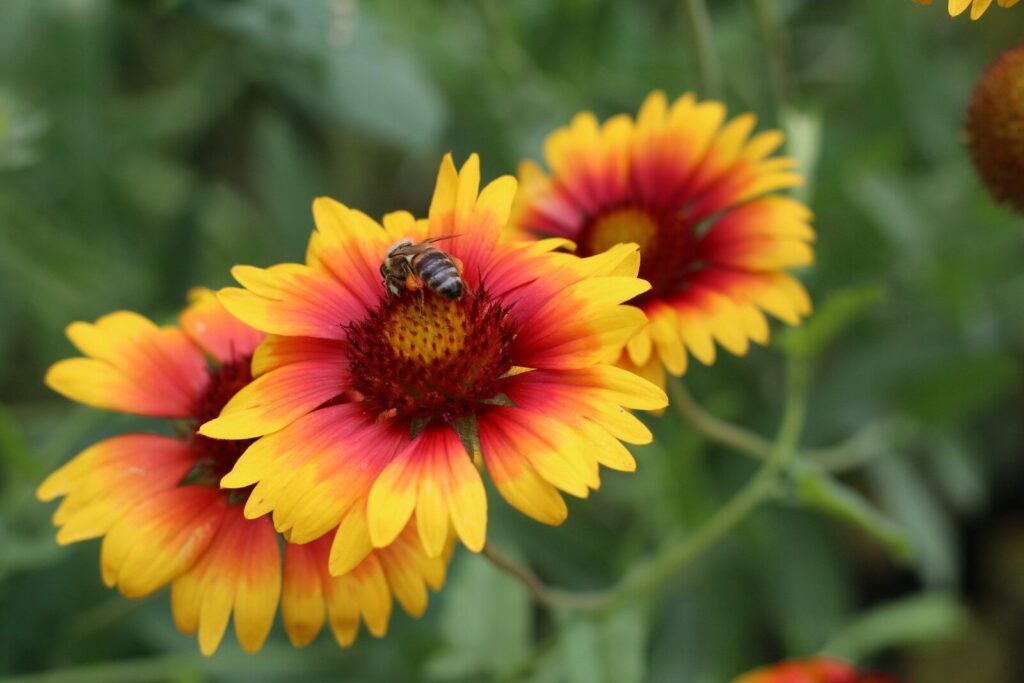
Also called blanket flower, Gaillardia produces fiery red and yellow blooms that impressively tolerate heat and drought. Its long bloom season and ability to grow in sandy or rocky soils make it perfect for challenging Texas landscapes. Gaillardia’s cheerful colors contribute warmth and vibrancy to sunny flowerbeds.
Why it stands out: Gaillardia’s capacity to bloom profusely under tough conditions helps sustain eye-catching color in demanding environments.
7. Ornamental Grass
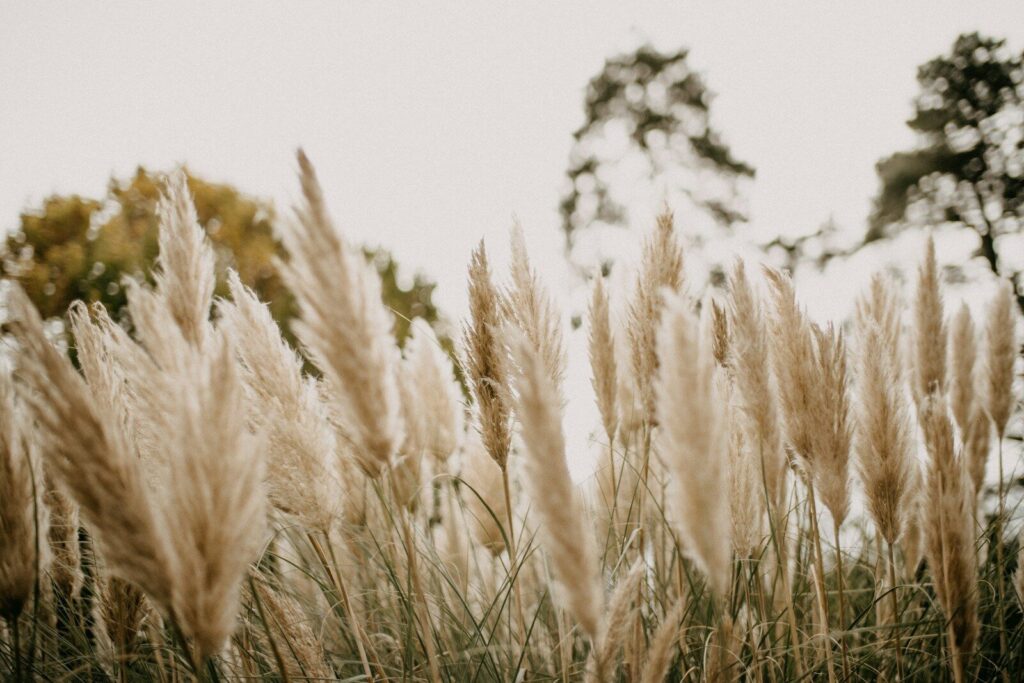
Ornamental grasses add movement and structure to perennial beds with their slender blades and graceful seed heads. A wide variety of plants tolerate Texas heat and drought, offering year-round interest through texture and form. They complement flowering perennials by softening edges and adding dynamic contrasts.
Why it stands out: Their adaptability and low water needs enhance garden diversity and keep beds visually appealing through seasons.
8. “Russion Sogo” / Russian Sage
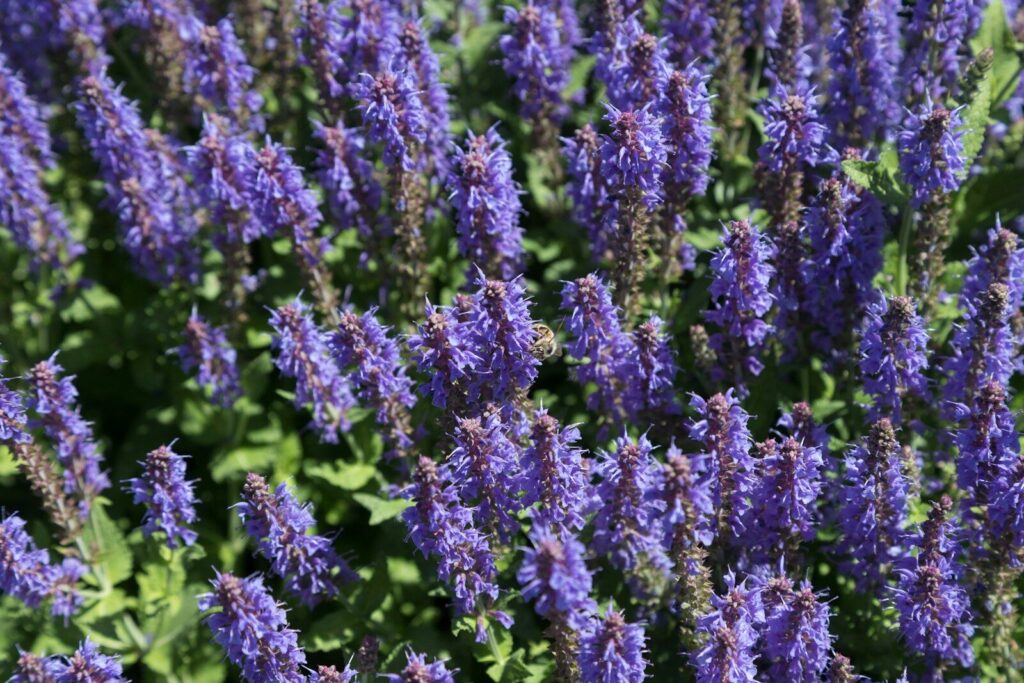
Russian Sage is prized for its silvery foliage and tall spikes of lavender-blue flowers that bloom from summer into fall. It withstands heat, drought, and poor soils, making it ideal for Texas gardens. The plant’s airy texture pairs well with bolder blooms, and its scent deters pests.
Why it stands out: Russian Sage’s resilience and extended flowering period provide fragrant, drought-tolerant color that enriches garden layers.
9. Daylilies
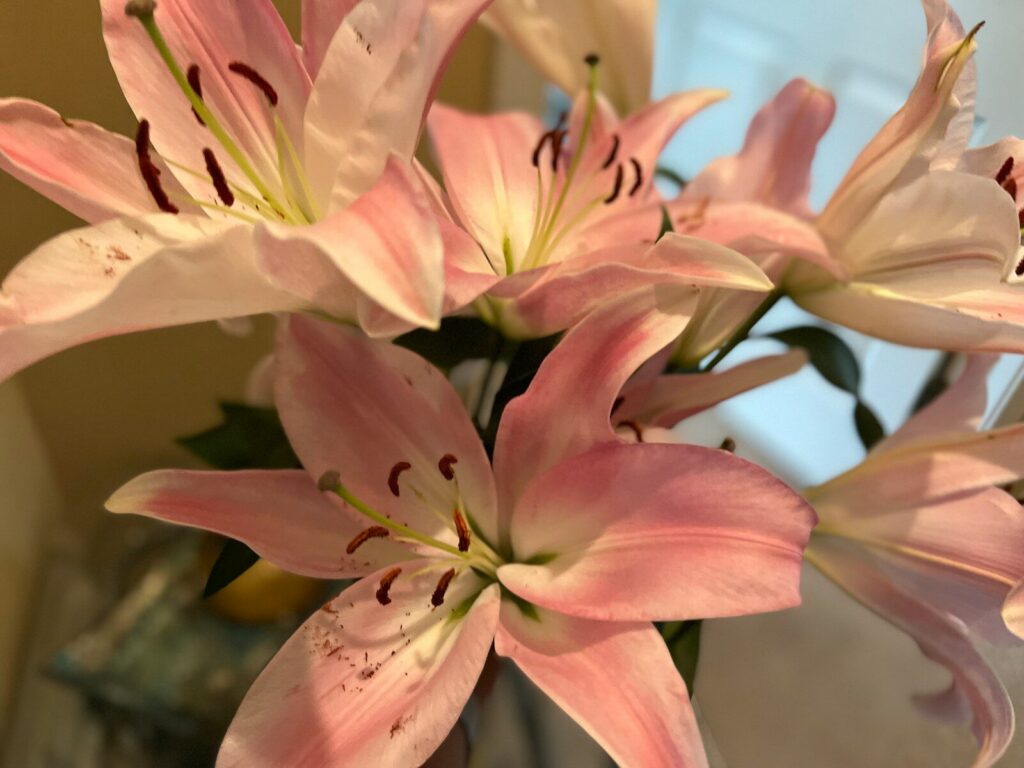
Daylilies are tough perennials known for their trumpet-shaped flowers in many colors. They adapt well to various soil types and can tolerate Texas heat when watered moderately. Their prolific blooming habit and quick spread make them perfect for mass planting or borders.
Why it stands out: Daylilies’ ease of growth and abundant blooms supply steady color, reducing the need for frequent replanting.
10. Shasta Daisy
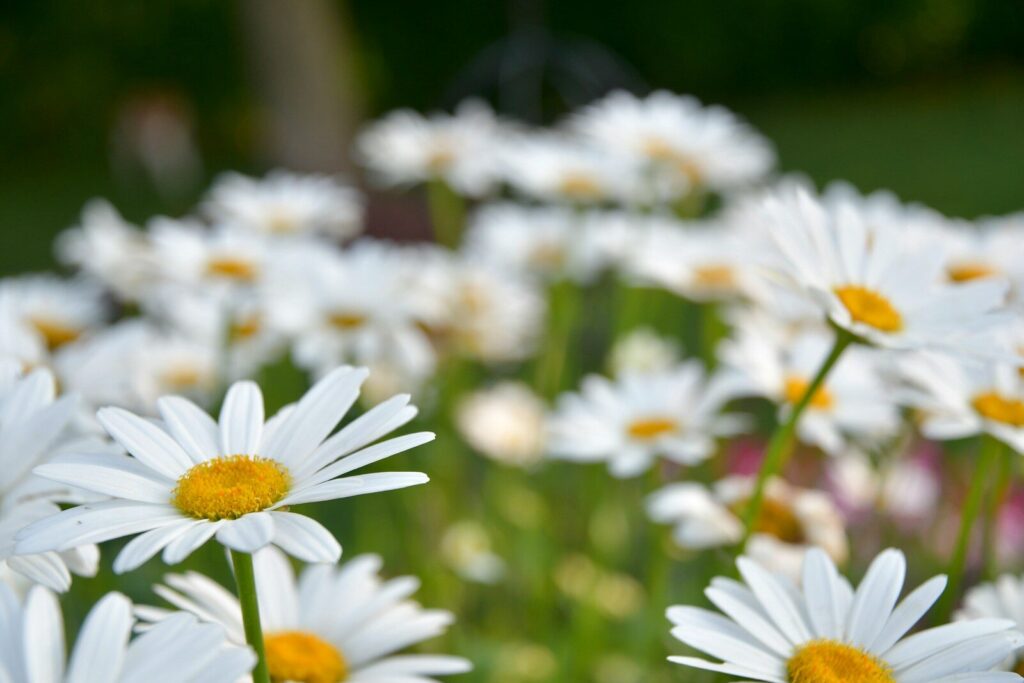
Shasta Daisies offer classic white petals with bright yellow centers, blooming from late spring through summer. They prefer full sun and well-drained soil, tolerating heat reasonably well. Their tidy habit suits formal and informal garden designs alike.
Why it stands out: Shasta Daisies bring timeless appeal and reliable flowering, making them a staple for cheerful, consistent garden displays.
11. Catmint
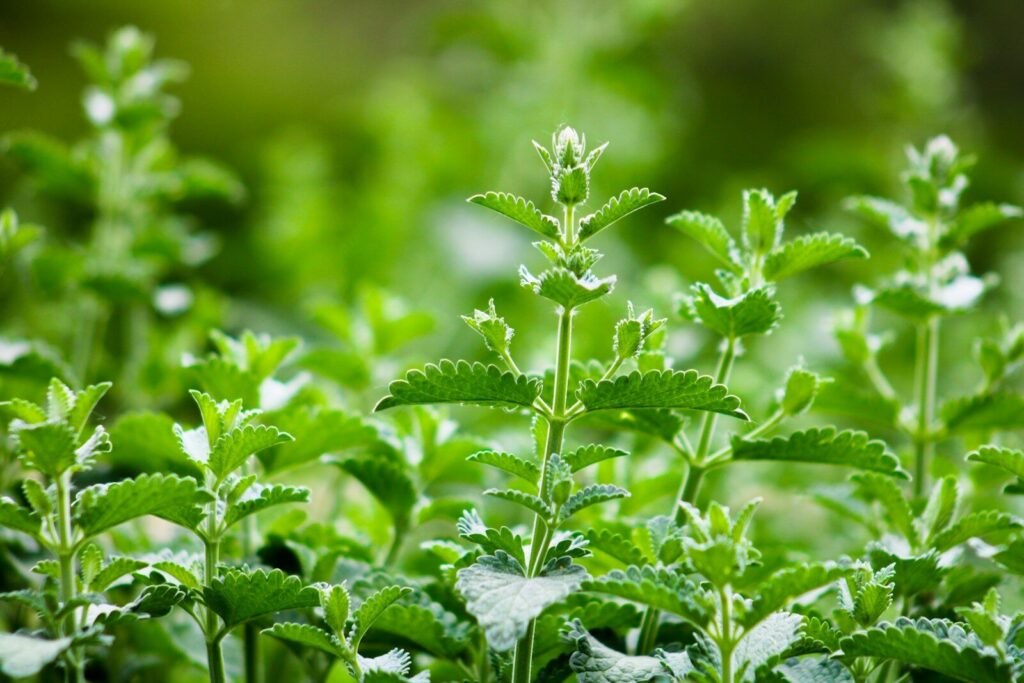
Catmint produces spikes of lavender-blue flowers and aromatic gray-green foliage. It thrives in sunny, well-drained spots and requires minimal watering once established. Its long bloom time attracts bees and butterflies, and it pairs well with roses and other perennials.
Why it stands out: Catmint’s low-maintenance nature and continuous blooms support sustainable, pollinator-friendly gardens.
12. Lamb’s Ear
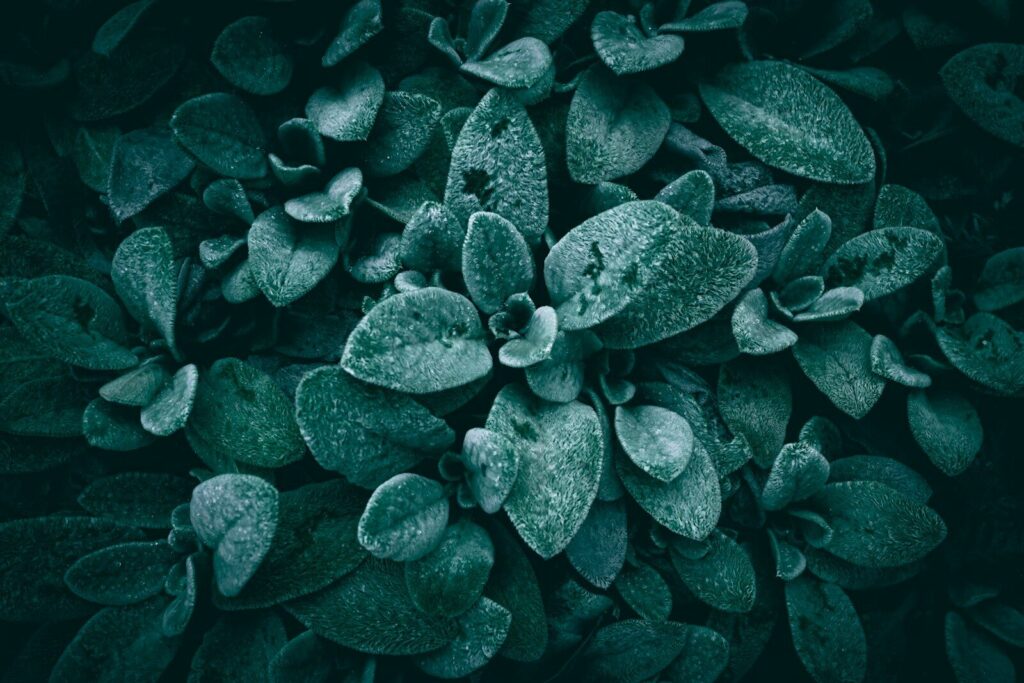
Known for its soft, silvery leaves, Lamb’s Ear adds tactile interest and a cool color contrast to flowerbeds. It grows well in hot, dry conditions and requires little watering. Its fuzzy foliage also deters some pests and provides ground cover.
Why it stands out: Lamb’s Ear’s unique texture and drought tolerance make it a useful accent that adds depth and softness to garden compositions.
13. Coreopsis
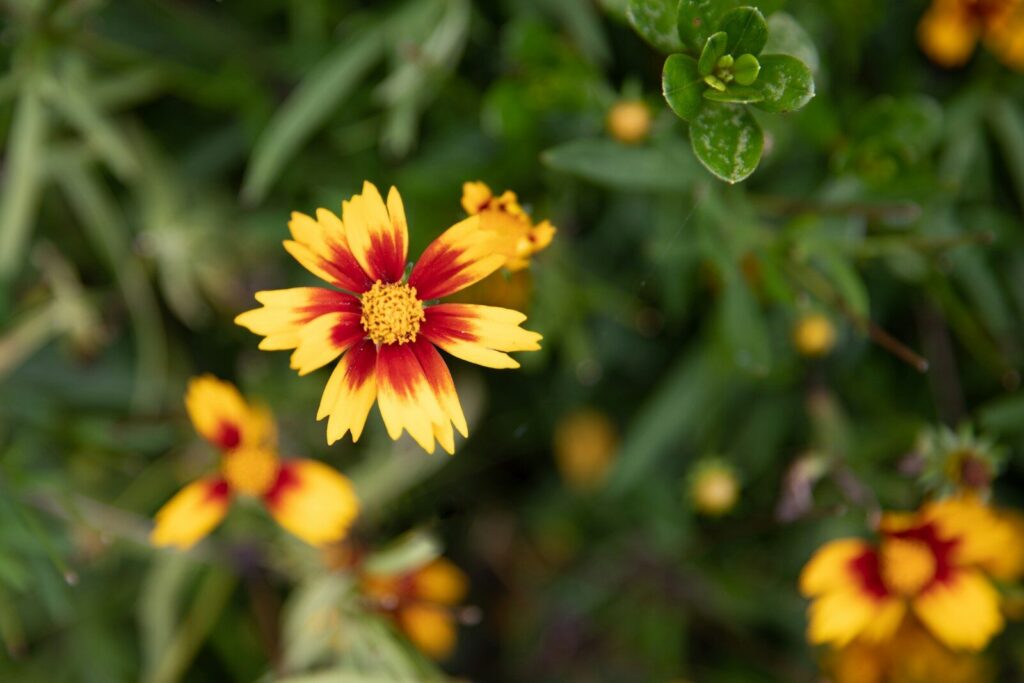
Coreopsis, or tickseed, presents bright yellow or gold flowers that bloom profusely through warmer months. It tolerates poor soils and drought, thriving in full sun. Coreopsis’s cheerful appearance and extended bloom period make it a popular choice for Texas gardens.
Why it stands out: Coreopsis delivers vibrant, long-lasting color with minimal care, ideal for gardeners wanting lively, fuss-free beds.
14. Dianthus
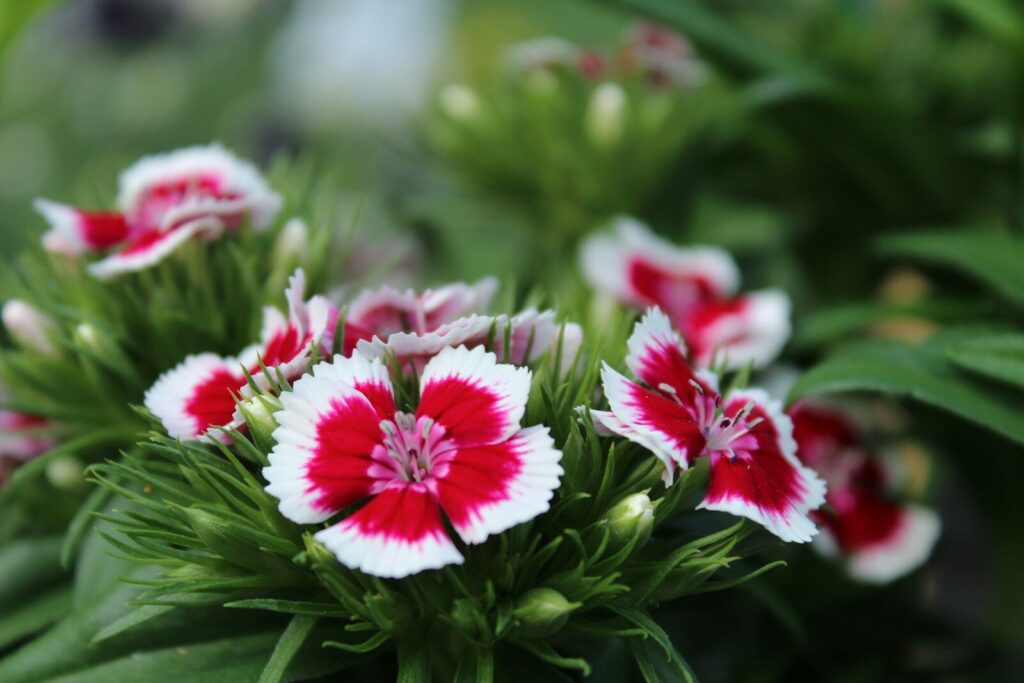
Dianthus features fragrant, often pink or red flowers with fringed petals. It prefers well-drained soil and full sun, flourishing in the Texas climate with moderate watering. Dianthus can be used as edging or in rock gardens due to its compact form.
Why it stands out: Its scent and neat growth habit enhance sensory appeal and structure in perennial arrangements.
15. Summer Phlox
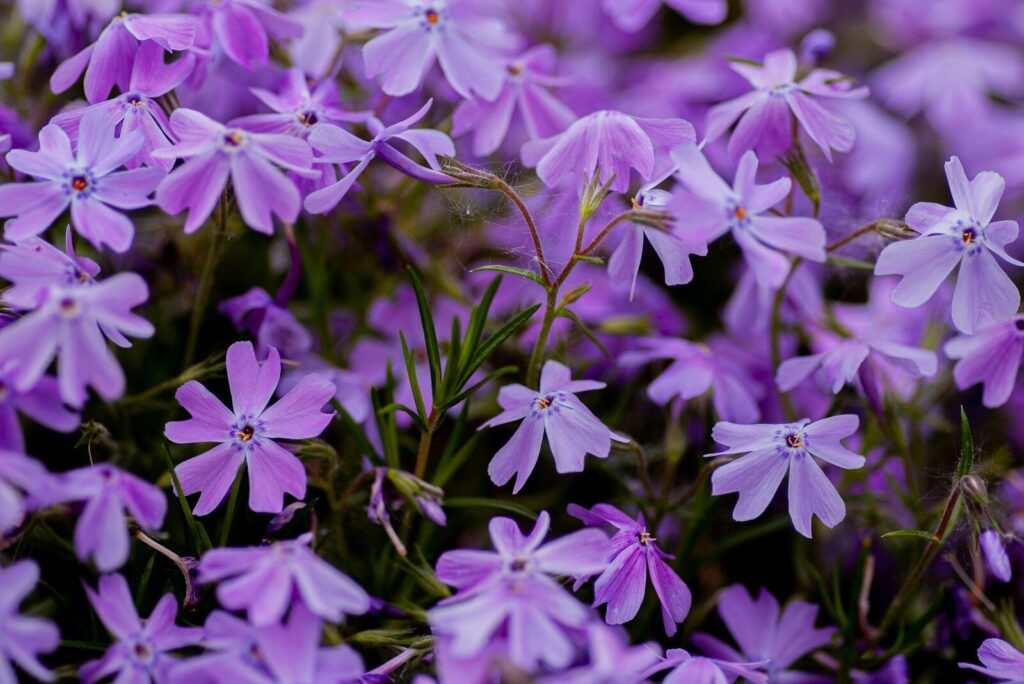
Summer Phlox produces clusters of fragrant, colorful flowers from mid to late summer. It thrives in sunny locations with well-drained soil. Its tall, upright stems add height and attract butterflies, extending garden interest into late season.
Why it stands out: Summer Phlox’s fragrance and late-season blooms help maintain garden vibrancy when other plants begin to fade.
~ Shop for Perennials at Lowes
Final Thoughts
Achieving continuous garden color in Texas takes thoughtful plant selection tailored to the region’s climate challenges. These 15 perennials offer a mix of drought tolerance, heat resilience, and extended blooming periods, ensuring flowerbeds stay lively through changing seasons. By combining varied textures, colors, and forms, gardeners can design beds that remain attractive and low-maintenance year-round.
Understanding each plant’s strengths allows for strategic placement—whether filling sunny spots with bold blooms or softening edges with ornamental grasses and foliage plants. This approach reduces the need for replanting and intensive care, making perennial flowerbeds both sustainable and enjoyable.
For gardeners seeking dependable, vibrant landscapes, incorporating these tried-and-true Texas perennials is a practical way to create beauty that lasts well beyond a single season. With patience and planning, year-round garden appeal is well within reach.